Pet wipes have become a staple in many dog owners' grooming arsenals, promising quick cleanups between baths, paw hygiene after walks, and convenient spot-cleaning of muddy fur. But do they actually work, or are they just a marketing gimmick designed to separate pet owners from their money? The answer is more nuanced than a simple yes or no—pet wipes absolutely work for their intended purposes, but understanding which types to use, how to use them properly, and when they're actually beneficial makes all the difference.
Understanding What Pet Wipes Actually Do
Pet wipes for dogs are moistened cloths formulated to clean and freshen your dog's coat, paws, and skin without requiring a full bath. They're designed to remove surface dirt, odor-causing bacteria, and environmental contaminants. The key word here is "surface"—pet wipes aren't a replacement for regular bathing, but rather a complementary grooming tool for quick cleanups and maintenance between baths.
Think of pet wipes as the canine equivalent of hand sanitizer. They're effective for their specific purpose—quick cleaning and freshening—but they're not comprehensive hygiene solutions. Understanding this distinction helps you use them appropriately and manage expectations about what they can accomplish.
The effectiveness of any pet wipe depends on its formulation, the specific ingredients included, and how you actually use it. A quality pet wipe applied correctly will genuinely remove dirt and freshen your dog's coat. A low-quality wipe or improper use might provide minimal benefit.
Types of Pet Wipes for Dogs
Not all pet wipes are created equal. Different formulations serve different purposes, and choosing the right type matters.
General-Purpose Dog Wipes
General-purpose pet wipes for dogs represent the most common type. These are formulated to safely clean your dog's entire body—coat, skin, and sensitive areas. They typically contain gentle cleansing agents, water, and sometimes moisturizing or soothing ingredients.
These wipes work well for regular spot-cleaning, removing dirt after outdoor activities, and general freshening between baths. They're your go-to option for most everyday wiping needs.
Dog Wipes for Paws
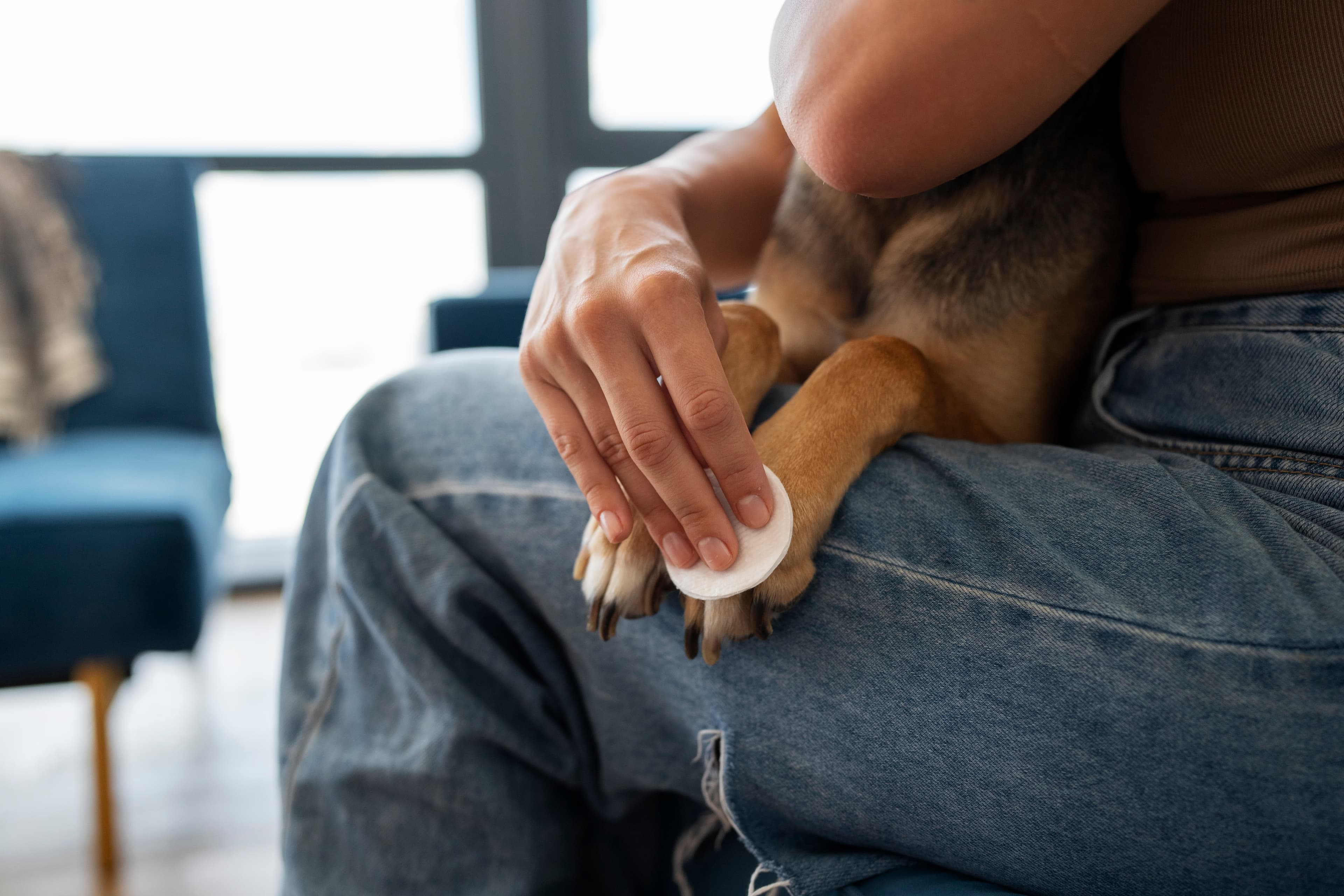
Specialized dog wipes for paws are formulated specifically for the unique cleaning challenges paws present. Paws contact dirt, mud, salt, pesticides, and other contaminants constantly. Paw-specific wipes often contain ingredients that address these challenges while protecting the sensitive paw pad skin.
These wipes excel at removing mud, salt, and environmental debris from paws after walks. They're particularly valuable for dogs in harsh climates where salt from roads accumulates on paws, or during muddy seasons when paws constantly contact wet earth.
Deodorizing Wipes
Some pet wipes are formulated with odor-neutralizing ingredients. These work well for dogs with persistent odors between baths, though they address the symptom rather than underlying causes. If your dog has chronic odor issues, addressing the root cause—whether that's skin conditions, ear infections, or nutritional issues—is important alongside using deodorizing wipes.
Medicated Wipes
Veterinarians sometimes recommend medicated pet wipes for dogs with skin conditions, bacterial or yeast infections, or specific dermatological issues. These wipes contain active ingredients designed to treat the specific skin problem rather than simply cleaning.
Medicated wipes should only be used under veterinary guidance, as using the wrong formulation could worsen certain skin conditions. Never assume a medicated wipe is appropriate without professional recommendation.
Hypoallergenic and Sensitive-Skin Wipes
Dogs with sensitive skin or known allergies benefit from hypoallergenic wipes formulated without common irritants. These wipes typically exclude artificial fragrances, dyes, and other ingredients known to trigger reactions in sensitive dogs.
If your dog has a history of skin sensitivity or allergies, choosing hypoallergenic pet wipes reduces the risk of triggering adverse reactions.
Unscented Wipes
Some pet owners prefer unscented wipes that clean without adding artificial fragrances. Unscented options work equally well for cleaning while avoiding potential irritation from added scents. They're an excellent choice for dogs with sensitivities or for owners who prefer not to add fragrance to their dog's coat.
How to Use Pet Wipes Effectively
Simply having quality pet wipes means nothing if you're not using them correctly. Proper technique ensures maximum effectiveness and safety.
Start with dry or damp fur. Pet wipes work better on fur that isn't soaking wet. If your dog has just come in from rain or a swimming session, let fur dry somewhat before wiping.
Wipe in the direction of hair growth. Always wipe with the grain of your dog's coat, not against it. This approach is more comfortable for your dog and more effective at removing dirt.
Focus on high-contact areas. Paws, belly, and areas prone to dirt accumulation benefit most from wiping. These areas make contact with ground, objects, and environmental contaminants more frequently than other body parts.
Don't skip sensitive areas, but be gentle. You can safely wipe your dog's face, ears, and other sensitive areas, but use gentler pressure and be cautious around eyes. Never force a wipe into ear canals—gently wipe around and inside ear flaps only.
Use enough wipes. One wipe often isn't sufficient for thorough cleaning, especially if your dog is muddy. Use multiple wipes as needed, moving to a clean area of each wipe to avoid just moving dirt around.
Allow fur to air dry. After wiping, let your dog's coat air dry naturally. This allows any remaining moisture to evaporate and lets any conditioning ingredients in the wipes fully absorb.
Dispose of used wipes properly. Used pet wipes should go in the trash, not the toilet, as they don't break down like regular toilet paper.
Specific Uses for Dog Wipes for Paws
Paw hygiene deserves particular attention because paws are constantly exposed to contaminants. Dog wipes for paws offer specific benefits in various situations.
After muddy walks: Wiping paws before entering your home prevents mud from being tracked throughout your house. This practical benefit alone makes paw wipes worthwhile for many owners.
Winter salt removal: In cold climates, road salt accumulates on paws and can irritate sensitive paw pad skin. Wipes specifically remove salt deposits, protecting paw health.
After beach or park visits: Sand and debris stick to paws after outdoor activities. Paw wipes remove these contaminants, reducing the likelihood of your dog licking irritants or tracking them indoors.
Between baths: Paw wipes extend the time between full grooming sessions by maintaining paw cleanliness and freshness.
Before bed: Many owners make wiping paws before bed a daily ritual, keeping bedding cleaner while ensuring your dog's primary contact points remain hygienic.
When Pet Wipes Fall Short
While pet wipes are genuinely useful, understanding their limitations prevents disappointment and ensures you're addressing your dog's actual needs.
Pet wipes don't eliminate the need for regular bathing. While they freshen your dog's coat and remove surface dirt, they can't address deep coat cleaning, skin conditions, or thorough hygiene like actual baths can. Using pet wipes between baths is appropriate; using them as a substitute for regular bathing isn't.
Pet wipes won't cure skin conditions. If your dog has persistent itching, skin infections, or dermatological issues, pet wipes might provide temporary relief but won't address the underlying problem. Veterinary attention is necessary for actual skin conditions.
Pet wipes can't prevent flea or tick infestations. While they might remove some surface parasites, they're not a preventative or treatment tool. Appropriate flea and tick prevention remains essential.
Pet wipes won't fix chronic odor problems. If your dog has persistent odor despite regular bathing and grooming, an underlying issue—whether that's a skin condition, ear infection, diet-related, or other factors—requires veterinary investigation.
Safety Considerations for Pet Wipes
Pet wipes have an excellent safety record when used appropriately, but several considerations matter.
Check ingredients carefully. Some wipes contain ingredients that can irritate sensitive skin. Always review the ingredient list and avoid products containing alcohol, strong fragrances, or other known irritants if your dog has sensitive skin.
Avoid the eyes. While you can wipe around your dog's eyes, be careful not to get wipe material directly in the eyes. If accidental contact occurs, rinse thoroughly with water.
Don't use on open wounds. Pet wipes aren't sterile and shouldn't be used on cuts, abrasions, or other open wounds. Let wounds air dry or consult your veterinarian for appropriate care.
Watch for allergic reactions. If your dog shows signs of irritation—excessive scratching, redness, or swelling—after using pet wipes, discontinue use and consult your veterinarian.
Never use human wipes on dogs. Human baby wipes, facial wipes, or other human hygiene products aren't formulated for dogs and may contain ingredients that irritate canine skin. Always use products specifically formulated for dogs.
Test on small areas first. If you're introducing new pet wipes, test on a small area and monitor for adverse reactions before using them extensively.
Choosing Quality Pet Wipes
With countless pet wipe products available, making the right choice requires attention to several factors.
Look for reputable manufacturers. Established pet care companies with good safety records and transparent manufacturing practices offer more reliable products than unknown brands.
Check the ingredient list. Quality pet wipes contain recognizable, gentle ingredients. Avoid products with vague "proprietary blends" or potentially irritating ingredients.
Read reviews carefully. Look for reviews from verified purchasers discussing actual effectiveness and any skin reactions. Be skeptical of products with only glowing reviews or products with numerous complaints about irritation.
Consider your dog's individual needs. Does your dog have sensitive skin? Choose hypoallergenic wipes. Does your dog have persistent odor? Select deodorizing varieties. Match the product to your dog's specific situation.
Evaluate value. Quality pet wipes aren't cheap, but extremely cheap options often deliver minimal cleaning benefit. Consider cost per wipe rather than total package price.
Check expiration dates. Pet wipes are only effective if they remain moist and the ingredients remain stable. Always check expiration dates before purchasing and use wipes before they expire.
DIY Pet Wipes: Budget-Friendly Alternatives
For budget-conscious owners, creating homemade pet wipes is entirely feasible. The simplest approach involves moistening soft cloths or paper towels with a gentle cleaning solution.
A basic homemade solution combines water with a small amount of unscented dog shampoo or mild castile soap. Mix approximately one cup of water with one-quarter teaspoon of shampoo. Store in a sealed container and use cloths moistened with the solution.
For deodorizing properties, add a small amount of apple cider vinegar (approximately one tablespoon per cup of water) to the solution. The vinegar smell dissipates as fur dries.
Always test any homemade solution on a small area first to ensure it doesn't irritate your dog's skin. Homemade solutions don't have preservatives, so make fresh batches frequently and don't store them for extended periods.
Pet Wipes as Part of a Comprehensive Grooming Routine
Pet wipes work best as part of a complete grooming strategy rather than as a standalone solution. Combined with regular baths, brushing, nail trimming, and other grooming practices, pet wipes contribute meaningfully to overall coat and skin health.
A practical routine might involve daily paw wiping, weekly spot-cleaning with general-purpose wipes, and monthly full baths. This approach keeps your dog clean and fresh while minimizing the time between comprehensive grooming sessions.
The Bottom Line: Do Pet Wipes Really Work?
Yes, pet wipes really do work for their intended purposes. Quality pet wipes effectively remove surface dirt, freshen your dog's coat, clean paws, and provide quick hygiene maintenance between baths. They're genuinely useful tools in any dog owner's grooming arsenal.
However, pet wipes aren't miracle products and shouldn't be viewed as replacements for regular bathing or veterinary care. They excel at quick cleanups and maintenance but aren't comprehensive hygiene solutions. Understanding what they can and can't accomplish allows you to use them appropriately and see real benefits.
For owners looking to keep their dogs fresher between baths, remove mud and environmental contaminants from paws, or maintain quick hygiene in busy schedules, quality pet wipes deliver genuine value. The key is selecting appropriate products, using them correctly, and maintaining realistic expectations about their role in your dog's overall care.
Your dog will appreciate cleaner paws, fresher coat, and you'll appreciate the convenience of quick cleanups without full baths. When used as intended, pet wipes for dogs prove to be a worthwhile addition to your grooming toolkit.