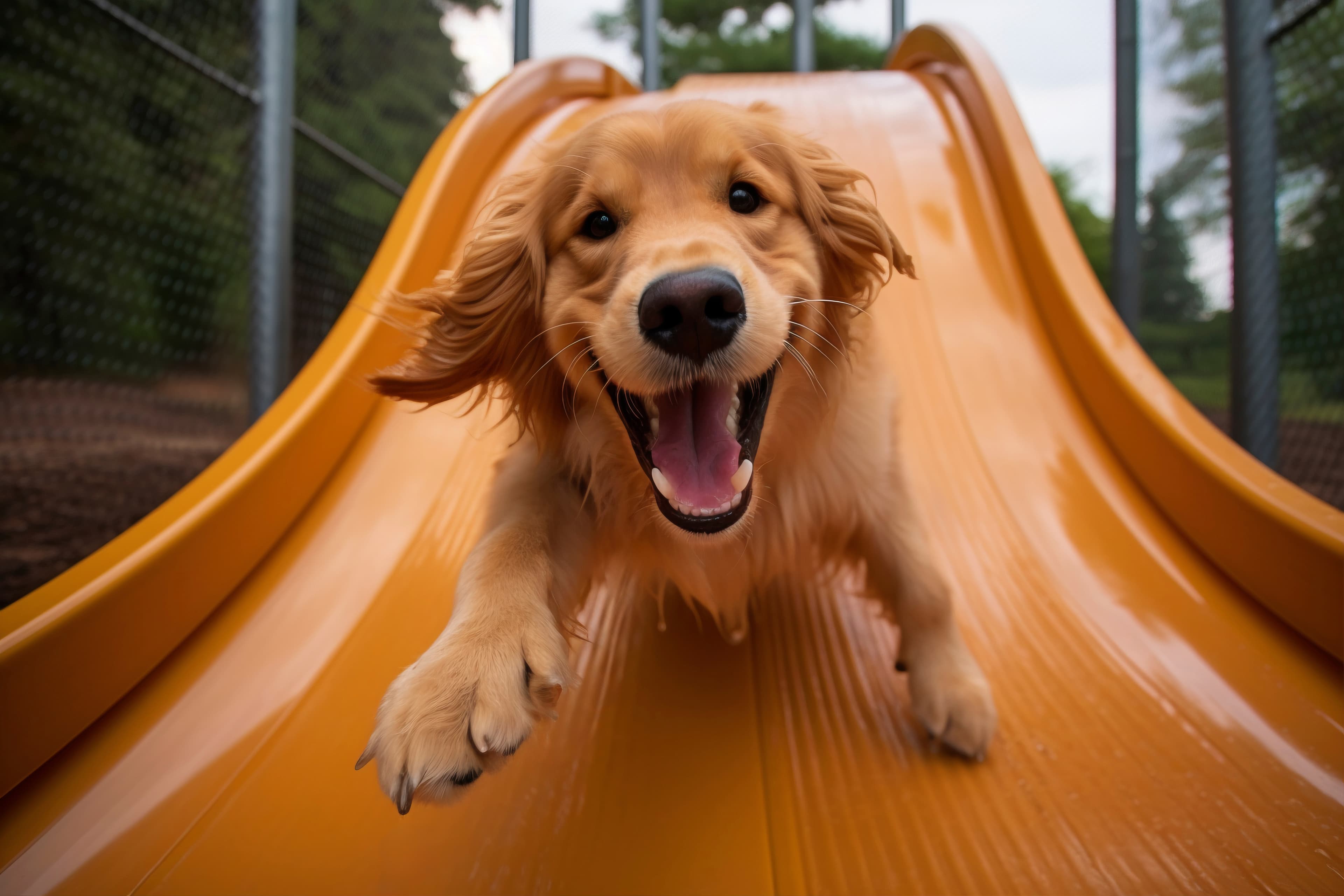
An indoor dog with nothing to do is like a restless mind with too much time on its hands. Boredom isn't just unpleasant for your pet—it's often the root cause of destructive behavior, excessive barking, and the kind of anxiety that keeps everyone in the household on edge. The good news? There are countless ways to enrich your indoor dog's life, providing the mental stimulation they crave and transforming those long days at home into opportunities for engagement and growth.
Why Mental Stimulation Matters More Than You Think
Many pet owners understand that dogs need physical exercise. They'll take their dog for a walk, play fetch in the yard, or arrange regular trips to the dog park. What often gets overlooked is that mental stimulation is equally—if not more—important for your dog's overall wellbeing.
A dog's brain is designed to work, to solve problems, and to explore. When indoor dogs don't get opportunities to engage their minds, they become frustrated. That frustration often manifests as destructive chewing, excessive barking, hyperactivity, or behavioral problems that puzzle owners who think their dog just needs more exercise. The truth is, a mentally tired dog is often a well-behaved dog.
Research from veterinary behaviorists consistently shows that dogs receiving regular mental stimulation exhibit fewer behavioral problems, show better emotional balance, and demonstrate improved overall health. Mental enrichment reduces anxiety, prevents boredom-related destructive behaviors, and strengthens the bond between you and your dog by creating opportunities for positive interaction.
Interactive Puzzle Toys: The Thinking Dog's Best Friend
Puzzle toys represent one of the most effective mental stimulation tools available to indoor dog owners. These aren't just toys—they're opportunities for your dog to solve problems and earn rewards, which taps into their natural instincts and keeps their brain actively engaged.
Start with beginner-level puzzles featuring simple mechanisms that your dog can figure out relatively quickly. As they master these, gradually increase the difficulty. Watching your dog work through the problem-solving process—the focus, the persistence, the eventual success—is genuinely rewarding for both of you.
The market offers puzzle toys at every complexity level and price point. Some feature sliding compartments, others use rotating discs, and some require your dog to lift or push various pieces to access hidden treats. The specific design matters less than finding puzzles that genuinely engage your individual dog's problem-solving style.
Rotate your puzzle toys regularly. Introducing a previously seen toy after a few weeks makes it feel new again and reignites your dog's interest. This approach maximizes the mental stimulation value while preventing the novelty from wearing off too quickly.
Sniff Work and Scent Games: Engaging Natural Instincts
Dogs perceive the world primarily through their noses, and scent work taps into one of their most powerful natural instincts. Sniffing games and scent-based enrichment don't require special training or equipment—just a bit of creativity and willingness to embrace the occasional mess.
The simplest approach is the sniff mat. These textured mats with hidden pockets and folds are perfect for hiding small treats. Your dog uses their nose and paws to search through the mat, finding treats and satisfying their natural foraging instincts. You can purchase ready-made sniff mats or create DIY versions using old towels, blankets, or even a muffin tin with tennis balls placed over each cup.
Box searches offer another excellent scent game. Fill a box with crumpled paper, hidden treats, and interesting scents. Let your dog dive in and excavate the rewards. Not only does this provide mental stimulation, but it also satisfies the natural digging instinct in a controlled, acceptable way.
For more advanced scent work, try hiding treats around your home and encouraging your dog to find them. Start with obvious locations where your dog can easily succeed, then gradually make hiding spots more challenging. This transforms your living space into a treasure hunt that keeps your dog mentally engaged for surprisingly long periods.
Professional nose work training exists if your dog becomes passionate about scent games, but even casual home-based sniffing activities provide substantial mental enrichment.
Training Sessions: Building Skills and Confidence
Training isn't just about teaching obedience—it's one of the most effective forms of mental stimulation available. Every training session requires your dog to concentrate, process information, and work cooperatively with you. The mental effort involved is genuinely tiring in the best possible way.
Short, frequent training sessions work better than occasional long ones. Even 10-15 minutes of focused training several times daily provides excellent mental stimulation. Break training into small, achievable steps so your dog experiences frequent success and builds confidence.
Target training is particularly engaging. Teaching your dog to touch your hand, a target stick, or a mat with their nose provides a foundation for countless other tricks and behaviors. The act of learning something new keeps your dog's mind active and strengthens your communication with them.
Advanced tricks like spin, bow, or play dead offer additional mental challenges once your dog masters basics. The specific behaviors matter less than the ongoing learning process. A dog actively engaged in learning new skills is a dog whose mind remains sharp and engaged.
Food-Dispensing Toys: Mealtime as Mental Challenge
Transform regular mealtimes into enrichment opportunities by using food-dispensing toys instead of regular bowls. These toys require your dog to work for their food, engaging their problem-solving abilities while eating.
The simplest option is the Kong toy, which you can stuff with kibble, wet food, or peanut butter and freeze for extended engagement. Your dog spends time licking, pushing, and working to extract the food, turning a quick meal into an extended mental activity.
Ball-shaped dispensers and treat-tossing toys work similarly. Your dog rolls the toy, manipulates it with their paws and mouth, and gradually accesses the kibble or treats inside. The unpredictability of when and how food emerges keeps your dog engaged.
For creative owners, DIY versions work just as well. Fill a water bottle with kibble and create small holes in it. Your dog can roll it around, pushing it to make kibble fall out. This simple solution costs nearly nothing while providing genuine enrichment value.
Window Watching and Visual Enrichment
Never underestimate the enrichment value of simply watching the world go by. If your dog has access to windows, they're already receiving some degree of environmental enrichment. Squirrels, birds, pedestrians, and passing cars provide genuine mental stimulation and entertainment.
Arrange furniture so your dog can comfortably see out windows. Some dogs will contentedly watch activity for extended periods, which represents genuine mental engagement with their environment.
For dogs without good window access, consider creating bird feeders or hang bird feeders near windows to attract wildlife and increase visual interest. Even simple things like opening blinds to vary your dog's visual landscape makes a difference.
Rotating Toy Systems: Keeping Novelty Alive
Dogs become accustomed to toys, and that familiarity breeds disinterest. Rather than constantly purchasing new toys—which gets expensive and creates clutter—implement a rotation system. Keep three or four toys available at any given time and rotate them weekly or bi-weekly.
When you reintroduce a toy after a few weeks of absence, it feels new to your dog and reignites their interest. This approach maintains your dog's engagement with existing toys while extending the lifespan of each toy and your overall budget.
Storage is simple. Keep rotated toys in a closet or container out of sight. The absence makes the toy feel genuinely novel when you reintroduce it, even though your dog has played with it before.
DIY Enrichment Projects: Creative and Budget-Friendly
You don't need expensive store-bought products to provide enrichment. Some of the best enrichment activities come from simple DIY projects that cost almost nothing.
The muffin tin game involves placing treats in a muffin tin and covering each cup with a tennis ball. Your dog lifts the balls to access treats. This simple setup provides engaging mental stimulation for just a few dollars.
Cardboard box destruction might seem wasteful until you realize it provides excellent enrichment. Stuff a sturdy cardboard box with crumpled paper and treats, then let your dog tear it apart. The sensory experience of shredding paper, the sound, the scent—it all engages your dog's senses and satisfies natural behaviors.
Frozen treats offer both mental and sensory stimulation. Freeze peanut butter, wet food, or broth in ice cube trays or ice pops. During hot weather, frozen enrichment provides cooling relief while keeping your dog mentally engaged.
Towel rolls filled with kibble and folded or wrapped loosely challenge your dog to unroll and extract food. Again, minimal cost with meaningful enrichment value.
Creating an Enrichment Schedule
Consistency matters more than intensity. Rather than occasionally providing enrichment, build a daily enrichment schedule into your routine. This might look like:
Morning sniff game with breakfast, afternoon puzzle toy session, training practice during midday, window time whenever possible, and evening play or exploration. You don't need elaborate activities—simple, consistent opportunities for mental engagement make the real difference.
Written schedules help you stay consistent and ensure your indoor dog receives regular enrichment. This approach prevents the common pattern of remembering enrichment sporadically while most days lack structured mental stimulation.
Reading Your Dog's Preferences
Every dog has unique preferences. Some dogs are passionate about scent work while others couldn't care less. Some love training sessions while others find them frustrating. Pay attention to what genuinely engages your individual dog rather than assuming all enrichment activities work equally.
A dog that's naturally intelligent and toy-motivated might thrive with puzzle toys and training. A dog with intense prey drive might prefer scent games and chase activities. Observing what captures your dog's genuine interest helps you provide enrichment they'll actually enjoy.
Addressing Boredom-Related Behaviors
If your indoor dog exhibits destructive chewing, excessive barking, or other behaviors stemming from boredom, enrichment should become a priority. These behaviors often resolve remarkably quickly once you address the underlying mental stimulation deficit.
Track which enrichment activities most effectively capture your dog's interest and produce behavioral improvements. Then prioritize those activities in your routine. You'll likely notice significant behavioral improvements within one or two weeks as your dog's mental needs receive adequate attention.
The Long-Term Benefits of Mental Enrichment
Dogs receiving consistent mental stimulation throughout their lives demonstrate better behavioral stability, fewer anxiety-related issues, and often enjoy longer, healthier lives. Mental engagement keeps your dog's brain sharp, provides appropriate outlets for natural instincts, and strengthens your bond through positive interaction.
Perhaps most importantly, enrichment transforms your dog's indoor life from something passive and potentially frustrating into something actively engaging and genuinely enjoyable.
Conclusion
Indoor dogs aren't destined for boredom. With creativity, consistency, and commitment to providing mental stimulation, you can create an engaging environment where your dog's mind remains active, their natural instincts find appropriate outlets, and behavioral problems related to boredom become things of the past.
Dog enrichment ideas don't need to be complicated or expensive. Simple activities like puzzle toys, sniff games, training sessions, and rotating toys provide genuine mental stimulation that transforms your dog's daily life. Start with one or two activities that appeal to your dog, then gradually expand your enrichment toolkit.
Your indoor dog will thank you with improved behavior, better emotional balance, and the kind of contentment that comes from a mind that's genuinely engaged. That's the true benefit of prioritizing mental stimulation—a happier, healthier, better-behaved dog who actually enjoys their indoor life.
References and Citations
- American Veterinary Medical Association (AVMA). "Behavioral Enrichment for Dogs." 2024.
- American Kennel Club (AKC). "Mental Stimulation and Canine Behavior." 2024.
- Journal of Veterinary Behavior. "Enrichment Activities and Canine Wellbeing." 2023.
- Pet Care Services Association. "Indoor Dog Enrichment Standards and Best Practices." 2024.