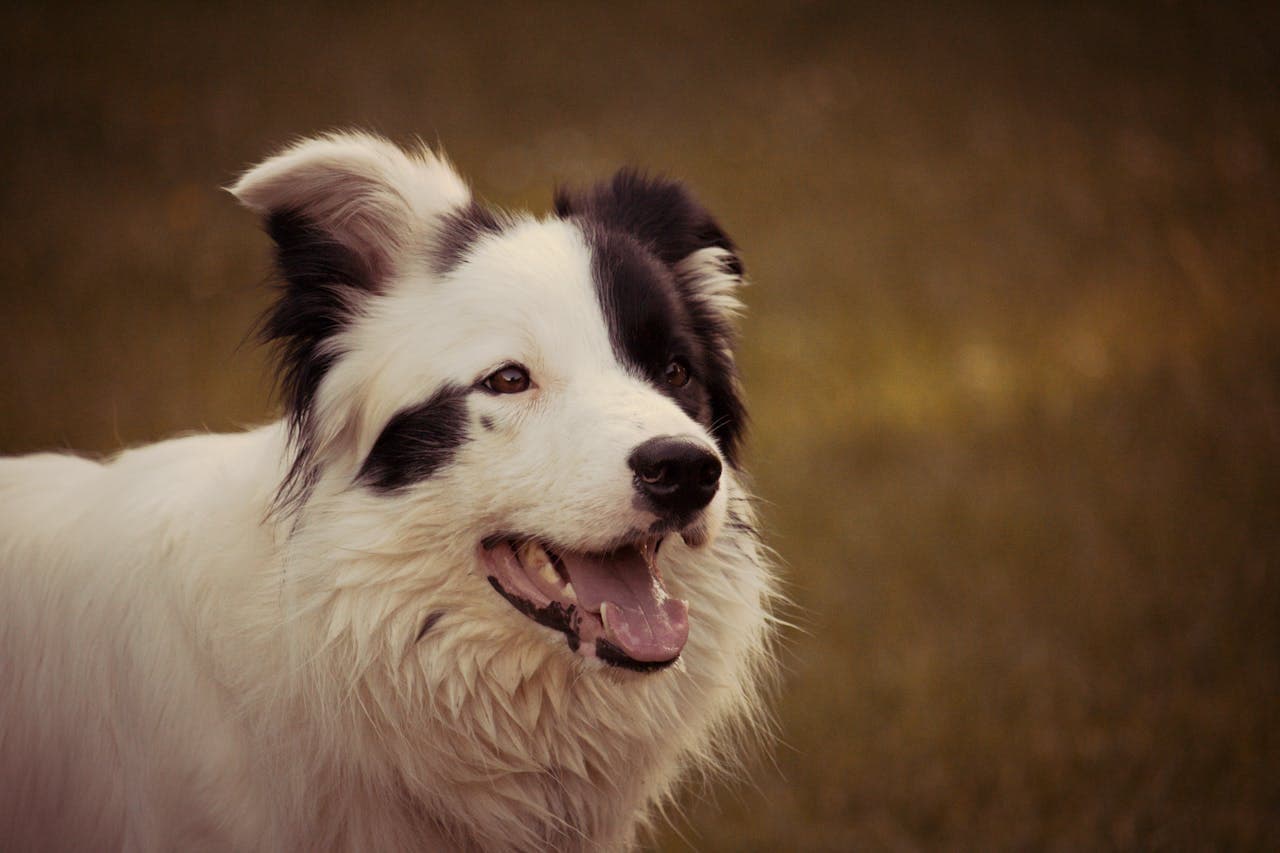
The Border Collie is a highly versatile herding breed known for its athleticism, intense focus, and legendary intelligence. Originating in the border region between Scotland and England, the breed was developed as an all-purpose sheepdog, prized for its ability to move livestock with quiet power, eye, and finely tuned responsiveness to subtle handler cues over long working days.
According to the American Kennel Club (AKC), Border Collies consistently rank among the most popular and accomplished herding breeds. Their popularity stems from their incredible trainability, problem-solving ability, and suitability for highly active, engaged homes. When provided with ample exercise and mental challenges, Border Collies make loyal, affectionate companions and outstanding performance dogs in sports such as agility, obedience, rally, herding trials, flyball, and disc competitions.
Breed History & Origin
The Border Collie's roots lie in the borderlands of Scotland and England, where shepherds needed agile, tireless dogs capable of moving sheep across rough, hilly terrain. Over generations, working shepherds selectively bred for instinct, stamina, responsiveness, and the distinctive “eye” — an intense, crouched herding style that allows the dog to control stock with presence and movement rather than force.
In the 19th and early 20th centuries, sheepdog trials helped solidify the Border Collie as a premier working dog, showcasing their precision and teamwork with handlers. The AKC formally recognized the breed in 1995, and the Border Collie Society of America (BCSA) serves as the AKC parent club. While many Border Collies today still work on farms and ranches, they are also widely seen in dog sports and active companion homes around the world, where their energy and intelligence are highly valued.
Physical Characteristics & Breed Standards
Border Collies are medium-sized, well-balanced dogs built for endurance, quickness, and agility rather than bulk. According to the AKC breed standard, they should give an impression of effortless movement and poised readiness, with a body slightly longer than tall, a level topline, and smooth, ground-covering gait. Their alert expression, semi-erect or tipped ears, and piercing eyes contribute to their intense, intelligent appearance.
| Characteristic | Male | Female |
|---|---|---|
| Height | 19–22 inches | 18–21 inches |
| Weight | 35–55 pounds | 30–45 pounds |
| Lifespan | 12–15 years | |
| Coat Type | Weather-resistant double coat; medium-length rough coat or shorter smooth coat | |
| Common Colors | Black & white, red & white, tricolor, sable, blue merle, red merle, and more, with or without tan points | |
Key Physical Features: Border Collies have a fairly broad, flat skull with a moderate stop and a strong, tapering muzzle. Eyes are usually brown but may be blue or partially blue, especially in merle dogs, creating a striking look. Ears are medium-sized, set well apart, and carried erect, semi-erect, or tipped. The tail is moderately long, carried low with a slight upward curve at the end when relaxed, and may rise when the dog is excited or moving. Their fluid, crouched, and agile movement reflects their heritage as working sheepdogs.
Temperament & Personality
Border Collies are exceptionally intelligent, responsive, and work-driven. They are quick learners with strong problem-solving skills and an intense desire to collaborate with their handlers. This combination makes them highly trainable, but also means they can become frustrated, anxious, or destructive if their needs for exercise and mental engagement are not met.
Border Collies are typically deeply devoted to their families and may be reserved with strangers. Many have a natural protective or watchful instinct and will bark to alert their owners to unusual sights and sounds, making them attentive watchdogs. Early socialization helps prevent shyness or over-sensitivity and supports a confident, stable temperament in a variety of environments.
Herding instincts are very strong in this breed and may manifest as stalking, circling, or heel nipping, especially around running children, bicycles, or other animals. Consistent training and redirection are essential to channel these instincts into appropriate outlets. Border Collies thrive in homes where they can participate in daily activities, learn new tasks, and spend plenty of focused time working with their people.
Exercise Requirements by Life Stage
As an extremely high-drive herding breed, Border Collies require substantial daily exercise and mental stimulation. Without enough activity, they can quickly develop nuisance behaviors such as obsessive barking, chasing, digging, and destructive chewing. Exercise needs vary by age and individual energy level, but most Border Collies are significantly more active than the average companion dog.
| Life Stage | Daily Exercise | Recommended Activities |
|---|---|---|
| Puppies (8 weeks - 12 months) | 5 minutes per month of age, 2x daily | Short walks, gentle play, basic obedience, socialization, low-impact games, safe exploration |
| Adults (1-7 years) | 2+ hours minimum | Running, hiking, fetch, agility, herding lessons, flyball, frisbee, structured obedience, scent games, sheepdog-style drills |
| Seniors (7+ years) | 45–75 minutes | Gentle walks, swimming, light play, low-impact training, nosework, puzzle games |
Mental Exercise: Border Collies need as much mental work as physical activity. Incorporate puzzle feeders, trick training, nosework, obedience drills, interactive toys, and dog sports into their routine. Many Border Collies excel in agility, herding trials, obedience, rally, flyball, disc dog events, and other activities that allow them to think and move at the same time.
Grooming & Maintenance Schedule
Border Collies have a weather-resistant double coat that may be either a medium-length rough coat or a shorter smooth coat. The outer coat is straight to slightly wavy, while the undercoat provides insulation and protection from the elements. They shed moderately year-round and more heavily once or twice a year when they “blow” their undercoat, especially in rough-coated dogs.
| Grooming Task | Frequency | Tools/Notes |
|---|---|---|
| Brushing (regular season) | 2–3 times per week | Slicker or pin brush, undercoat rake for rough coats; focus on feathering and pants to prevent tangles |
| Brushing (shedding season) | Daily or every other day | Undercoat rake, de-shedding tool, thorough line brushing to remove loose undercoat |
| Bathing | Every 6–10 weeks or as needed | Dog-specific shampoo and conditioner; rinse thoroughly to avoid residue in dense areas |
| Nail trimming | Every 3–4 weeks | Trim or grind; nails should not click loudly on hard floors during their active lifestyle |
| Ear cleaning | Weekly check, clean as needed | Veterinary ear cleaner, cotton balls; check after swimming or heavy outdoor activity |
| Dental care | Daily (ideal) or at least 3x per week | Dog toothbrush and toothpaste; add dental chews or rinses as recommended by your veterinarian |
Nutrition & Feeding Guidelines
Proper nutrition is critical to support the Border Collie's active lifestyle, lean musculature, and long-term health. As medium-sized, athletic herding dogs, Border Collies do best on high-quality diets that prioritize animal-based protein and appropriate fat levels to fuel their energy needs, while maintaining a lean body condition.
| Life Stage | Protein | Fat | Daily Amount (Dry Food) | Meals/Day |
|---|---|---|---|---|
| Puppies (2–12 months) | 22–26% | 10–15% | Varies by age/weight; follow vet and food label guidance, adjusting for growth and activity | 3–4 |
| Adults (moderately active) | 18–24% | 8–14% | ~1.5–2.5 cups (split into meals), adjusted for weight, metabolism, and exercise level | 2 |
| Adults (highly active/working) | 24–30% | 12–20% | ~2.5–3.5+ cups, adjusted for workload, climate, and body condition | 2–3 |
| Seniors (7+ years) | 18–22% | 8–12% | 1.5–2.5 cups, tailored to reduced activity, joint health, and body condition score | 2 |
Essential Nutritional Considerations: Look for formulas that list high-quality animal proteins (such as chicken, turkey, beef, lamb, or fish) as the first ingredient. Omega-3 and Omega-6 fatty acids support skin, coat, and joint health—especially important for active Border Collies. Some dogs may benefit from joint supplements containing glucosamine and chondroitin. Because Border Collies can be prone to certain food sensitivities or digestive issues, work with your veterinarian if you suspect allergies, soft stools, or chronic gastrointestinal upset.
Bloat Prevention: While Border Collies are not among the breeds at highest risk for gastric dilatation-volvulus (GDV or bloat), any deep-chested dog can be affected. To reduce risk, divide daily food into two or more meals, avoid rapid gulping of food (use slow-feeder bowls if needed), and limit vigorous exercise for about an hour before and after meals. Always seek emergency veterinary care immediately if you suspect bloat.
Health Considerations & Genetic Screening
Border Collies are generally healthy, robust dogs, but like all purebred breeds, they are predisposed to certain inherited conditions. Responsible breeders use health testing and careful selection to reduce the risk of these diseases. Prospective owners should be familiar with common health concerns and ask breeders for documentation of health clearances on both parents.
Common Health Conditions
| Condition | Prevalence | Description |
|---|---|---|
| Hip Dysplasia | Moderate breed risk | Abnormal hip joint development leading to arthritis, pain, and reduced mobility, especially in highly active dogs |
| Elbow Dysplasia / OCD | Recognized concern in active breeds | Developmental abnormalities in the elbow or shoulder joints that can cause lameness and arthritis |
| Hereditary Eye Diseases (CEA, PRA, cataracts) | Notable breed concern | Includes Collie Eye Anomaly (CEA), Progressive Retinal Atrophy (PRA), and cataracts, which can affect vision and may lead to blindness in severe cases |
| MDR1 Drug Sensitivity | Genetic mutation seen in some herding breeds | A mutation in the MDR1 gene can cause severe reactions to certain medications; DNA testing helps guide safe drug choices |
| Epilepsy | Documented in the breed | Seizure disorder that may have a hereditary component; often managed with medication and veterinary care |
| Trapped Neutrophil Syndrome (TNS) / Other Genetic Disorders | Low but important to screen | Inherited immune system or neurologic disorders that can be screened for with DNA testing in breeding dogs |
AKC Recommended Health Screenings
The AKC and Border Collie parent club recommend specific health testing for breeding dogs. Always request copies of official health clearances when purchasing a puppy from a breeder:
| Screening Test | Testing Authority | Purpose |
|---|---|---|
| Hip Evaluation | OFA or PennHIP | Screen for hip dysplasia and assess joint quality in active working and sport dogs |
| Elbow Evaluation | OFA | Screen for elbow dysplasia and developmental joint disease |
| Ophthalmologist Evaluation | ACVO/OFA Eye Certification | Screen for hereditary eye diseases such as CEA, PRA, and cataracts |
| CEA / PRA / Other Eye DNA Tests | OFA or other approved lab | Detect genetic mutations associated with inherited eye disease |
| MDR1 DNA Test | OFA or other approved lab | Identify dogs affected by or carriers of MDR1 drug sensitivity |
| Additional DNA Panels (e.g., TNS, NCL) | OFA or certified laboratory | Screen for inherited immune and neurologic disorders known to occur in the breed |
Training & Socialization
Border Collies are among the most trainable dog breeds in the world thanks to their intelligence, focus, and intense work ethic. They learn new cues quickly and excel at complex, multi-step behaviors, making them ideal partners for advanced obedience and performance sports. This trainability, however, also means they readily learn unwanted habits if left without structure or guidance.
Early Socialization: Begin socialization as early as possible, ideally between 3–14 weeks of age. Expose your Border Collie puppy to a wide variety of people, friendly dogs, environments, surfaces, and sounds in a controlled, positive way. This helps prevent fearfulness, sound sensitivity, and over-reactivity, and supports the development of a confident, adaptable adult dog that can handle busy households, training environments, and public spaces with ease.
Training Approach: Positive reinforcement methods work best for Border Collies. Use food rewards, toys, praise, and play to reinforce desired behaviors. They are sensitive, highly observant dogs that bond strongly with their people, so harsh corrections can damage trust and may lead to anxiety, shutdown, or conflict behaviors. Short, frequent training sessions that mix obedience, tricks, games, and problem-solving keep them engaged and fulfilled.
Recommended Training Programs: Consider AKC S.T.A.R. Puppy, Canine Good Citizen (CGC), and Community Canine (CGCA) as foundations for manners and reliability. Many Border Collies thrive in advanced outlets such as agility, herding, competitive obedience, rally, flyball, disc sports, trick dog titles, and nosework. These activities give them a productive way to channel their mental and physical energy.
Working Roles & Capabilities
Border Collies were bred first and foremost as working sheepdogs, and many still serve as indispensable partners on farms and ranches today. Their intelligence, athleticism, and strong bond with their handlers also allow them to excel in a wide range of modern roles:
- Herding & Stock Work: Border Collies retain powerful herding instincts and are highly valued for their ability to move sheep, cattle, and other livestock with finesse, control, and minimal stress on the animals.
- Dog Sports: The breed is a top performer in agility, obedience, rally, flyball, disc competitions, dock diving, and other sports where speed, coordination, and responsiveness are key.
- Search & Rescue / Detection: Some Border Collies work in search and rescue, detection, and tracking roles, drawing on their keen noses, stamina, and focus.
- Therapy & Emotional Support: With stable temperaments and good training, Border Collies can make excellent therapy dogs, providing comfort and engagement in hospitals, schools, and care facilities.
- Service Dogs: While not as commonly used as some breeds, carefully selected Border Collies may serve as medical alert, psychiatric service, or task-oriented assistance dogs when paired with experienced handlers.
- Active Family Companions: For many owners, a Border Collie's primary job is being a beloved, involved family member who joins on hikes, runs, training classes, road trips, and daily adventures.
Frequently Asked Questions
Are Border Collies good family dogs?
Yes, Border Collies can be wonderful family dogs for very active, engaged households. They are typically loyal, affectionate, and playful with their people and often form strong bonds with one or more family members. However, their intense herding instincts and high energy mean they may try to herd running children or other pets. Proper training, supervision, clear boundaries, and plentiful outlets for energy are essential, especially in homes with young children.
How much does a Border Collie puppy cost?
Prices vary by region, pedigree, working versus sport or show lines, and breeder practices. From reputable breeders who perform recommended health testing and raise puppies in a high-quality environment, Border Collie puppies often range from around $1,000–$2,500 or more. Puppies from proven working, sport, or show lines may be higher. Be cautious of unusually low prices, which can signal poor breeding practices, lack of health testing, or high-volume commercial breeding.
Do Border Collies shed a lot?
Yes, Border Collies are moderate to heavy shedders, particularly rough-coated dogs. They shed throughout the year and typically experience heavier seasonal shedding when they blow their undercoat. Regular brushing—several times a week, and more often during shedding seasons—helps manage loose hair and keep the coat healthy. Prospective owners should be comfortable with dog hair on clothing, furniture, and floors.
Are Border Collies aggressive?
Border Collies are not inherently aggressive. Well-bred, well-socialized Border Collies are typically confident, people-focused, and responsive to their owners. They may be reserved or cautious with strangers and can be vocal or intense, but outright aggression is not typical of the breed. Poor socialization, inconsistent handling, pain, or chronic stress can contribute to behavior problems in any dog, so early positive training and appropriate management are important.
Can Border Collies live in apartments?
Apartment living is possible for Border Collies, but it requires an exceptionally committed owner. Border Collies need significant daily exercise and mental stimulation, which means multiple brisk walks, active play, structured training, and brain games every day. Without enough outlets, they can become restless, noisy, and destructive. Homes with secure yards or easy access to safe off-leash areas make meeting a Border Collie's needs easier, but lifestyle, time, and training commitment matter more than square footage alone.
What is the difference between working and show/sport lines in Border Collies?
Working-line Border Collies are bred primarily for herding ability, stamina, and intense drive. They often have extremely high energy and thrive in homes that use them for stock work or very demanding dog sports. Show or sport-oriented lines may place additional emphasis on conformation or specific performance traits, and individual dogs may have slightly more moderate temperaments, though they are still highly active, intelligent dogs. Both types need substantial training and exercise, but working lines in particular usually demand experienced handlers and a job to do.
Is a Border Collie Right for You?
Border Collies are best suited for:
- Very active individuals or families who enjoy hiking, running, and outdoor adventures
- Owners who can provide at least 2 hours of combined physical and mental exercise on most days
- People interested in dog sports, herding, trick training, or advanced obedience work
- Those who want a highly intelligent, people-oriented dog that enjoys frequent training and tasks
- Homes with securely fenced yards or reliable access to safe off-leash exercise areas
- Owners committed to consistent training, early socialization, clear boundaries, and ongoing enrichment
- People comfortable with regular grooming and managing year-round shedding
Border Collies may not be ideal for first-time dog owners with limited time, families who prefer a low-energy or independent pet, or those who are away from home most of the day. Without enough attention, structure, and activity, a Border Collie's intelligence and drive can quickly become overwhelming and may lead to problem behaviors.
References & Resources
- 1. American Kennel Club (AKC). "Border Collie Breed Standard." akc.org
- 2. Border Collie Society of America (BCSA). "Health, Genetics & Breed Information."
- 3. Various Border Collie breed clubs and working dog organizations. "Breed Health Information."
- 4. Orthopedic Foundation for Animals (OFA). "Breed Statistics for Border Collies."
- 5. AKC Canine Health Foundation. "Inherited Eye Diseases in Herding and Collie-Type Breeds."
- 6. Veterinary genetic testing laboratories. "MDR1, CEA, PRA, TNS and Other DNA Tests for Border Collies."
- 7. Border Collie parent club resources. "Guidelines for Responsible Breeding."
- 8. Various veterinary nutrition resources on feeding active herding and performance breeds.