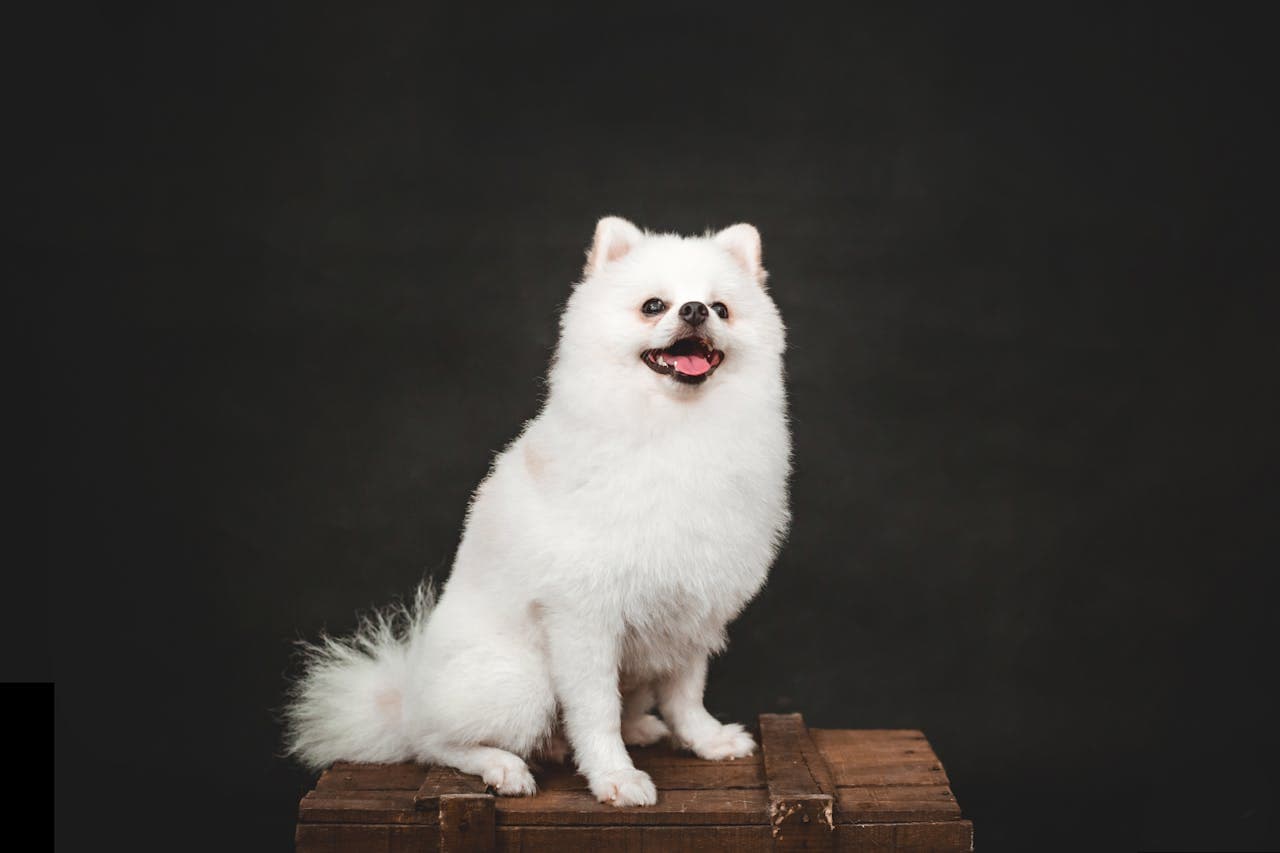
The Pomeranian is a bold, fluffy toy companion breed known for its plume-like tail, expressive face, and confident, outgoing demeanor. Although small in size, Poms have a surprisingly sturdy build and carry themselves with a lively, almost regal presence. They belong to the Spitz family of dogs and retain the alertness and hardiness of their larger sled-dog ancestors, wrapped in a portable, lap-sized package.
According to the American Kennel Club (AKC), Pomeranians are consistently among the most popular toy breeds. Their popularity comes from their affectionate nature, adaptability to many living situations, and entertaining personalities. When given appropriate training, socialization, and mental stimulation, Poms become loyal, bright companions who love to be the center of attention and join in on family activities.
Breed History & Origin
The Pomeranian traces its roots to the historical region of Pomerania, bordering the Baltic Sea in present-day Germany and Poland. There, larger Spitz-type dogs were used for herding, sledding, and guarding. Over time, selective breeding in England and elsewhere reduced these dogs in size while preserving their alert expression, double coat, and plumed tail.
Pomeranians gained immense popularity during the 19th century, especially after Queen Victoria developed a deep affection for the breed and bred them herself. Under her influence, the breed’s size decreased even further, and many of the colors seen today were refined. The AKC recognized the Pomeranian in the early 1900s, and the American Pomeranian Club (APC) serves as the AKC parent club. Today, Poms are cherished primarily as companion dogs but also shine in obedience, agility, and trick-dog events.
Physical Characteristics & Breed Standards
Pomeranians are small, compact toy dogs with a balanced, sturdy frame. According to the AKC breed standard, they should appear short-backed with a profuse double coat that forms a distinctive ruff around the neck and a full, heavily plumed tail carried flat and straight over the back. Their fox-like expression, erect ears, and dark, sparkling eyes give them an alert and intelligent look.
| Characteristic | Male | Female |
|---|---|---|
| Height | 6–7 inches | 6–7 inches |
| Weight | 3–7 pounds (ideal) | 3–7 pounds (ideal) |
| Lifespan | 12–16 years | |
| Coat Type | Long, dense double coat with soft, thick undercoat and harsher, straight outer coat | |
| Common Colors | Orange, cream, black, chocolate, blue, sable, white, parti-color, and other solid or patterned shades | |
Key Physical Features: Pomeranians have a wedge-shaped head with a defined stop, short, fine muzzle, and small, erect ears set high on the head. Dark, medium-sized, almond-shaped eyes contribute to their bright, inquisitive expression. Their distinctive ruff frames the head and neck, while the tail’s profuse plume arches gracefully over the back. Despite their small size, a correct Pom should feel solid and well put-together, not fragile or spindly.
Temperament & Personality
Pomeranians are intelligent, curious, and spirited dogs who often behave as if they are much larger than they really are. They are quick learners with a strong desire to interact with their people and can be quite outgoing and social when properly raised. Their alert nature makes them excellent little watchdogs who readily announce visitors or unusual sounds.
Most Poms are affectionate with their families and enjoy being close—whether on laps, following their owners from room to room, or sleeping in the bedroom. Some can be reserved with strangers, and their small size makes gentle handling and positive experiences especially important. Early socialization helps prevent timidity or excessive barking and encourages a confident, adaptable temperament.
Because of their intelligence and lively nature, Pomeranians do best in homes where they are treated as true companions rather than decorative accessories. They thrive when taught new tricks, included in daily routines, and given appropriate outlets for their energy and curiosity.
Exercise Requirements by Life Stage
While Pomeranians are small, they are also energetic and playful. They don't require the same volume of exercise as large working breeds, but they do need daily activity and mental stimulation to stay fit and well behaved. Regular walks, play sessions, and training games help prevent boredom, excessive barking, and weight gain.
| Life Stage | Daily Exercise | Recommended Activities |
|---|---|---|
| Puppies (8 weeks - 12 months) | Short, frequent play sessions; roughly 5 minutes per month of age, 2x daily, avoiding overexertion | Gentle play indoors, short leash walks, basic obedience, socialization outings, safe exploration on soft surfaces |
| Adults (1-7 years) | 30–60 minutes total, split into several sessions | Brisk walks, fetch with soft toys, indoor games, agility for toy breeds, trick training, scent and puzzle games |
| Seniors (7+ years) | 20–40 minutes, adjusted for comfort and health | Short, gentle walks, light play, low-impact indoor games, food puzzles, and easy trick review |
Mental Exercise: Pomeranians are sharp and eager to learn. Incorporate puzzle toys, training sessions, nosework, and interactive play into their daily routine. Many Poms enjoy and excel at dog sports such as rally, agility (with appropriately sized equipment), obedience, and trick-dog titles, which challenge their minds as well as their bodies.
Grooming & Maintenance Schedule
Pomeranians have a thick double coat that requires regular upkeep. The soft undercoat provides insulation, while the longer outer coat creates the breed's signature fluff and ruff. Poms shed year-round to some degree, with heavier shedding during seasonal coat changes. Routine grooming helps prevent matting, reduces loose hair, and keeps the skin healthy.
| Grooming Task | Frequency | Tools/Notes |
|---|---|---|
| Brushing (regular season) | 2–4 times per week | Slicker brush and comb; focus on behind ears, under legs, and around collar to prevent mats |
| Brushing (shedding season) | Daily or every other day | Pin brush, undercoat rake, and line brushing to remove loose undercoat thoroughly |
| Bathing | Every 4–8 weeks or as needed | Use dog-specific shampoo/conditioner; dry coat thoroughly and brush while drying to prevent tangles |
| Nail trimming | Every 2–3 weeks | Trim or grind; small dogs’ nails can grow quickly, so keep them short for comfort and gait |
| Ear cleaning | Weekly check, clean as needed | Veterinary ear cleaner and cotton balls; watch for redness, odor, or head shaking |
| Dental care | Daily (ideal) or at least 3x per week | Dog toothbrush and toothpaste; small breeds are prone to dental disease, so consistent care is critical |
Nutrition & Feeding Guidelines
Proper nutrition is especially important for Pomeranians, as their small size means even minor imbalances can affect weight and overall health. As active toy dogs, Poms generally do best on high-quality diets formulated for small breeds, with appropriate protein and fat levels to support energy, muscle tone, and coat condition.
| Life Stage | Protein | Fat | Daily Amount (Dry Food) | Meals/Day |
|---|---|---|---|---|
| Puppies (2–12 months) | 22–28% | 10–18% | Typically ¼–¾ cup total per day, adjusted for age and weight per vet and food label guidance | 3–4 (smaller, frequent meals help prevent hypoglycemia) |
| Adults (moderately active) | 20–26% | 10–16% | ~¼–½ cup total per day, adjusted for weight, metabolism, and activity level | 2 |
| Adults (highly active) | 24–30% | 14–20% | ~½–¾ cup, adjusted for workload and body condition | 2–3 |
| Seniors (7+ years) | 18–24% | 8–14% | ¼–½ cup, tailored to activity level, joint health, and ideal body weight | 2 |
Essential Nutritional Considerations: Look for formulas that list high-quality animal proteins (such as chicken, turkey, fish, or lamb) as the first ingredient. Small-breed–specific diets often have kibble sized for tiny mouths and may help reduce tartar buildup. Omega-3 and Omega-6 fatty acids support skin and coat health, while joint-support supplements can benefit older or overweight Poms. Because toy breeds can be prone to hypoglycemia and obesity, work with your veterinarian to set appropriate portions and treat limits.
Digestive & Feeding Tips: Divide food into at least two meals per day for adults and more frequent meals for young puppies. Avoid free-feeding, which can promote overeating. Sudden diet changes can upset a Pomeranian's stomach, so transition gradually over 7–10 days when switching foods, and consult your veterinarian if you notice vomiting, diarrhea, or persistent gas.
Health Considerations & Genetic Screening
Pomeranians are generally long-lived, healthy dogs, but like all purebred breeds, they have certain health risks that owners and breeders should understand. Responsible breeders use health testing and careful selection to reduce the incidence of inherited conditions. Prospective owners should ask to see relevant health clearances for the parents of any puppy they are considering.
Common Health Conditions
| Condition | Prevalence | Description |
|---|---|---|
| Luxating Patella | Common toy-breed concern | Kneecap that slips out of place, potentially causing intermittent lameness and arthritis over time |
| Tracheal Collapse | Notable toy-breed issue | Weakening of the trachea that can cause coughing, honking sounds, and breathing difficulty, especially with pressure on the neck |
| Dental Disease | Very common in small breeds | Buildup of tartar and plaque leading to gingivitis, tooth loss, and potential systemic health effects |
| Hereditary Eye Diseases | Recognized breed concern | Includes cataracts, distichiasis, and other inherited eye conditions that can impact vision |
| Heart Disease | Seen in older dogs | Conditions such as valvular disease may appear with age and should be monitored by a veterinarian |
| Endocrine & Coat Disorders | Recognized in the breed | Includes hypothyroidism and alopecia (coat loss) syndromes that may cause hair loss and skin changes |
AKC Recommended Health Screenings
The AKC and American Pomeranian Club (APC) encourage health testing for breeding dogs. Always request copies of official health clearances when purchasing a puppy from a breeder:
| Screening Test | Testing Authority | Purpose |
|---|---|---|
| Patella Evaluation | OFA or equivalent registry | Screen for luxating patella and assess stifle joint stability |
| Cardiac Evaluation | Board-certified cardiologist or OFA | Screen for congenital or acquired heart disease |
| Ophthalmologist Evaluation | ACVO/OFA Eye Certification | Screen for hereditary eye diseases, including cataracts and other ocular issues |
| Thyroid Evaluation | OFA or certified laboratory | Screen for autoimmune thyroiditis and hypothyroidism |
| Hip Evaluation (optional) | OFA or PennHIP | Assess hip joint quality, especially in lines with known issues |
| DNA Testing (breed-relevant panels) | OFA or other approved lab | Identify carriers or affected dogs for specific inherited conditions tracked in the breed |
Training & Socialization
Pomeranians are bright, responsive, and often eager to please, making them very trainable when approached with patience and consistency. They quickly learn both good and bad habits, so setting clear expectations early is important. Many Poms enjoy learning tricks and can perform impressively in obedience and rally when given structure and motivation.
Early Socialization: Begin socialization as early as possible, ideally between 3–14 weeks of age, under veterinary guidance. Introduce your Pomeranian puppy to a variety of people, dogs, noises, surfaces, and environments in a gentle, controlled manner. This helps prevent fearfulness, reactivity, and excessive barking, and sets the foundation for a confident, friendly adult dog.
Training Approach: Positive reinforcement methods—using food, toys, and praise—work best for Poms. Their small size and sensitive nature mean harsh corrections can be frightening and counterproductive. Keep sessions short, fun, and varied, and focus on skills like coming when called, polite greeting, walking on a loose leash, and settling on cue. Early attention to house training is especially important, as small bladders can make accidents more common if schedules are inconsistent.
Recommended Training Programs: Consider AKC S.T.A.R. Puppy, Canine Good Citizen (CGC), and Trick Dog titles as achievable and enjoyable goals. Many Poms excel at trick training, rally, and small-dog agility, which provide excellent mental and physical outlets while deepening the bond between dog and owner.
Working Roles & Capabilities
Pomeranians were historically developed from working Spitz dogs, but modern Poms are primarily companion animals. Still, their intelligence, alertness, and charisma allow them to succeed in a range of modern roles:
- Companion Dogs: Poms excel as devoted companions, happiest when they can share daily life with their people, join errands, and relax on the couch after short adventures.
- Dog Sports: Many Pomeranians enjoy obedience, rally, agility for small dogs, and trick-dog competitions, where their quick minds and showy style are assets.
- Therapy & Emotional Support: Their small size, portability, and affectionate nature can make them suitable as therapy dogs when they have stable temperaments and good manners.
- Performance & Entertainment: Poms often shine in performances, including freestyle, tricks, and social media content, thanks to their expressive personalities.
- Alert Watchdogs: While not guard dogs, Pomeranians are naturally alert and will readily bark to announce visitors or unusual activity in their environment.
- Active Urban Companions: Their small size and adaptability make them well suited to city living when given appropriate exercise, training, and mental enrichment.
Frequently Asked Questions
Are Pomeranians good family dogs?
Yes, Pomeranians can be wonderful family dogs, especially for households that understand the needs of small breeds. They are typically affectionate, playful, and strongly attached to their people. Because of their small size, they are more fragile than larger dogs and may not be ideal for very young children who are still learning gentle handling. Supervision and teaching kids how to interact respectfully are essential for everyone's safety and comfort.
How much does a Pomeranian puppy cost?
Prices vary by region, pedigree, and breeder practices. From reputable breeders who perform health testing and raise puppies in a high-quality environment, Pomeranian puppies often range from around $1,200–$3,000 or more. Puppies from top show or performance lines may be higher. Be cautious of unusually low prices, which can indicate poor breeding practices, lack of health testing, or irresponsible sourcing.
Do Pomeranians shed a lot?
Yes, Pomeranians are moderate to heavy shedders, especially during seasonal coat changes. Their dense double coat produces a fair amount of loose hair. Regular brushing several times a week—and more often during heavy shedding—helps control hair around the home and prevents mats. Prospective owners should be comfortable with some dog hair on clothes and furniture and commit to ongoing grooming.
Are Pomeranians aggressive?
Pomeranians are not inherently aggressive, but they are bold and may act defensively if they feel threatened or mishandled. Well-bred, well-socialized Poms are typically confident, affectionate, and responsive to their owners. Lack of socialization, rough handling, pain, or fear can contribute to behavior issues in any dog. Early positive experiences, gentle training, and respectful interactions are key to raising a stable, friendly Pomeranian.
Can Pomeranians live in apartments?
Yes, Pomeranians can adapt very well to apartment living. Their small size and moderate exercise needs make them suitable for smaller spaces, provided they receive daily walks, play, and mental stimulation. Barking can be a concern in shared buildings, so early training to manage alert barking is important. As long as their social, exercise, and grooming needs are met, Poms can thrive in urban environments.
What is the difference between show and pet lines in Pomeranians?
Show-line Pomeranians are bred primarily to conform to the AKC breed standard in structure, movement, and coat, while maintaining sound health and temperament. Pet-line Poms may come from the same lines but are placed as companions due to minor cosmetic differences or simply because not every puppy in a litter is destined for the show ring. Both show and pet lines still require responsible breeding, health testing, and appropriate care. Extremely tiny "teacup" Pomeranians are not recognized by the AKC and may be at higher risk for health problems, so they should be approached with caution.
Is a Pomeranian Right for You?
Pomeranians are best suited for:
- Owners who want an affectionate, people-focused companion dog
- Individuals or families who can supervise gentle interactions with small children
- People living in apartments or homes without large yards, who can still provide daily walks and play
- Those who enjoy training, teaching tricks, or participating in small-dog sports and activities
- Owners committed to regular brushing, dental care, and grooming maintenance
- People who are home often enough to give a social dog plenty of attention and interaction
- Families comfortable managing barking with training and enrichment, rather than expecting a quiet dog
Pomeranians may not be ideal for households seeking a very low-maintenance dog, families with rough or unsupervised play around pets, or owners who are away for long hours most days. Without sufficient companionship, grooming, and training, a Pom's intelligence, energy, and vocal nature can become challenging to manage.
References & Resources
- 1. American Kennel Club (AKC). "Pomeranian Breed Standard." akc.org
- 2. American Pomeranian Club (APC). "Pomeranian Breed Information & Health."
- 3. Orthopedic Foundation for Animals (OFA). "Breed Statistics for Pomeranians."
- 4. AKC Canine Health Foundation. "Small-Breed Health & Dental Care Resources."
- 5. Various veterinary resources on toy-breed nutrition, tracheal collapse, and patellar luxation.
- 6. Board-certified veterinary dentistry and cardiology guidelines for small-breed preventive care.
- 7. AKC & APC recommendations for responsible Pomeranian breeding and health screening.
- 8. Veterinary behavior and training resources focusing on socialization and small-dog behavior.