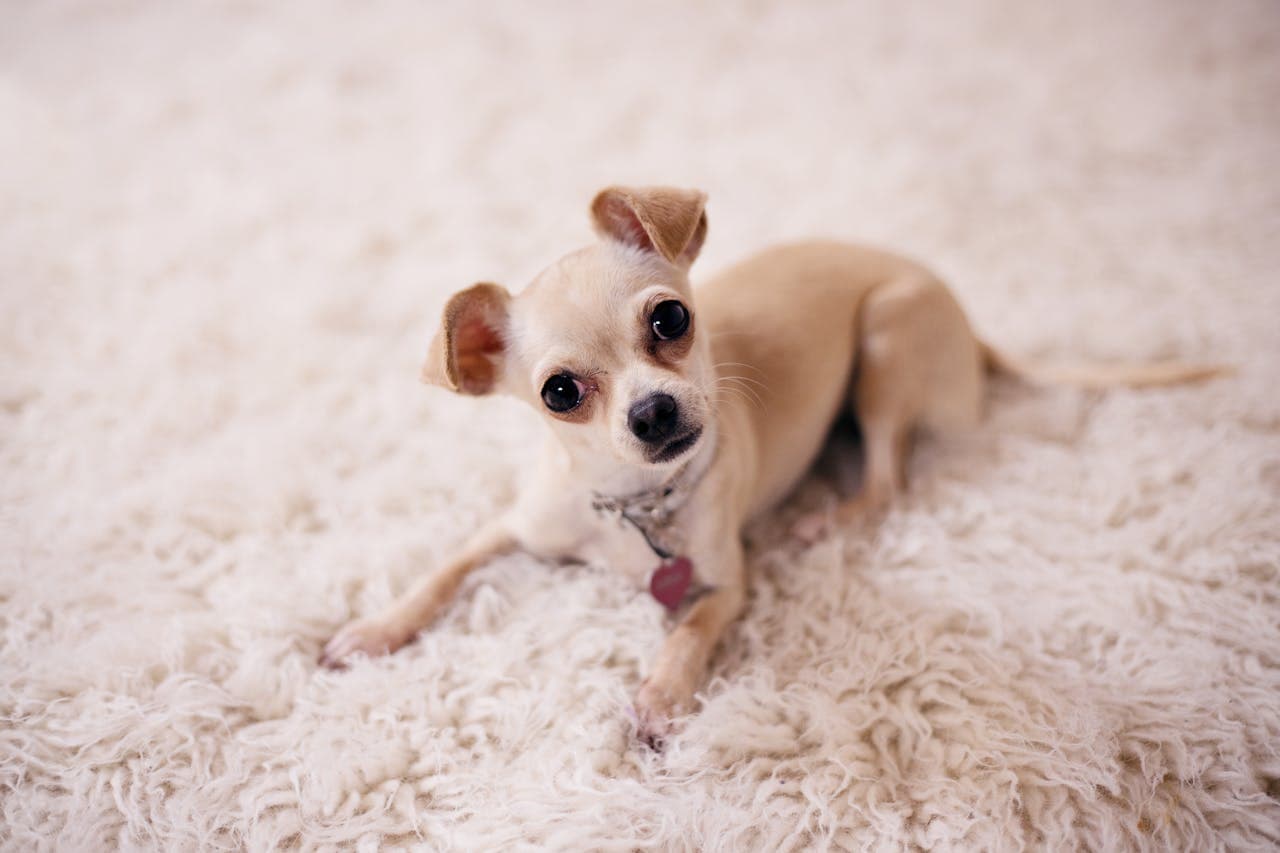
The Chihuahua is a compact toy breed known for its tiny size, alert expression, and bold, often “larger-than-life” personality. Despite their delicate build, Chihuahuas are confident and spirited companions who love to be close to their people—often choosing one special person as their favorite. They are primarily indoor dogs and do best in homes where they can spend much of their time with their family.
According to the American Kennel Club (AKC), Chihuahuas remain one of the most popular toy breeds. Their popularity comes from their portability, adaptability to small spaces, and devoted nature. When properly socialized, trained, and cared for, Chihuahuas make affectionate, entertaining pets who bring a big presence in a very small package.
Breed History & Origin
The Chihuahua is widely believed to have ancient roots in Mexico. Many historians trace the breed back to the Techichi, a small companion dog kept by the Toltec civilization and later by the Aztecs. Over time, these small dogs were refined and developed into the modern Chihuahua, with additional influence from small European toy breeds likely contributing to their look and size.
The breed takes its name from the Mexican state of Chihuahua, where many of these little dogs were first found by visitors and subsequently brought to the United States. The AKC recognized the Chihuahua in the early 20th century, and today they are a prominent member of the Toy Group. Their distinctive appearance, expressive eyes, and loyal nature have made them favorites around the world as lapdogs, companions, and show dogs.
Physical Characteristics & Breed Standards
Chihuahuas are one of the smallest dog breeds, with a compact, slightly longer-than-tall body and a graceful, dainty build. According to the AKC breed standard, they should be well-balanced, with a level topline, a slightly arched neck, and a quick, energetic gait. Their large, luminous eyes and oversized ears give them a highly expressive, alert appearance.
| Characteristic | Male | Female |
|---|---|---|
| Height | 5–8 inches | 5–8 inches |
| Weight | Up to 6 pounds (ideal) | Up to 6 pounds (ideal) |
| Lifespan | 14–16 years (many live longer with good care) | |
| Coat Type | Smooth (short) or long coat; fine, soft texture; may be single or double coated | |
| Common Colors | Any color or combination, including fawn, black, white, chocolate, cream, sable, and parti markings | |
Key Physical Features: Chihuahuas typically have an “apple-shaped” head with a well rounded skull, large round eyes, and very large, erect ears that are set wide apart. Their muzzle is relatively short and slightly pointed. The tail is moderately long, carried in a sickle or loop over the back when the dog is alert. Despite their size, Chihuahuas should appear sturdy, not fragile or spindly, with efficient, light-footed movement.
Temperament & Personality
Chihuahuas are highly alert, intelligent, and people-focused. Many are bold and confident, while others are more reserved and sensitive, especially with strangers. They often form intense bonds with one or two people and may be somewhat aloof with others. Their small size makes them easy to carry and travel with, which many Chihuahuas enjoy as long as they feel secure.
These tiny dogs can be vocal watchdogs, quick to announce visitors or unfamiliar sounds. Without good socialization, some Chihuahuas may become nervous, snappy, or overly protective. Early, gentle exposure to a variety of people, places, and other animals is important to encourage a confident, stable temperament and reduce fear-based behaviors.
Because of their size, Chihuahuas are easily injured by rough handling or falls. They do best in homes where family members understand how to interact gently and respectfully with them. With patience and consistent training, Chihuahuas are affectionate, entertaining companions who love to cuddle and be included in daily life.
Exercise Requirements by Life Stage
Although they are small, Chihuahuas are lively and benefit from daily exercise and mental stimulation. They do not need the same volume of physical activity as larger working breeds, but they still require regular walks and playtime to stay fit and well-adjusted. Care must be taken not to over-exercise young puppies or older dogs, and to protect them from extreme temperatures—especially cold weather.
| Life Stage | Daily Exercise | Recommended Activities |
|---|---|---|
| Puppies (8 weeks - 12 months) | Several short play sessions plus brief walks (total ~20–30 minutes daily, adjusted to age) | Gentle indoor play, short leash walks, basic obedience, safe socialization with calm dogs and people |
| Adults (1–8 years) | 30–60 minutes total (split into walks and play) | Leash walks, indoor and yard play, short fetch sessions, training games, low-impact dog sports (e.g., rally, trick training) |
| Seniors (8+ years) | 20–40 minutes of gentle activity, adjusted for health | Short walks, light play, gentle indoor games, food puzzles, scent games at home |
Mental Exercise: Chihuahuas are clever and curious. They benefit from puzzle feeders, clicker training, trick work, and interactive toys. Short training sessions that challenge their brains—such as learning new tricks, nosework games, or simple agility obstacles scaled to their size—are excellent ways to burn mental energy without overtaxing their bodies.
Grooming & Maintenance Schedule
Chihuahuas come in smooth and long coat varieties. Smooth-coated Chihuahuas have short, sleek coats that are relatively low maintenance, while long-coated Chihuahuas have soft, feathered fur on the ears, neck, legs, and tail that requires more regular brushing. Both varieties shed, though usually in modest amounts compared to many larger breeds. Dental care is especially important for this breed due to their small mouths and crowded teeth.
| Grooming Task | Frequency | Tools/Notes |
|---|---|---|
| Brushing (smooth coat) | 1–2 times per week | Soft bristle brush or grooming mitt; removes loose hair and distributes skin oils |
| Brushing (long coat) | 2–3 times per week (more during shedding) | Pin brush and comb; pay attention to feathering behind ears, under legs, and tail to prevent mats |
| Bathing | Every 4–6 weeks or as needed | Mild dog shampoo; avoid over-bathing to protect skin and coat; ensure thorough drying to prevent chills |
| Nail trimming | Every 2–4 weeks | Use small clippers or a grinder; nails should not curl or tap loudly on hard floors |
| Ear cleaning | Weekly check, clean as needed | Veterinary ear cleaner, cotton balls; monitor for redness, odor, or excessive wax |
| Dental care | Daily brushing (ideal) or at least 3–4x per week | Small dog toothbrush and dog-safe toothpaste; regular professional cleanings as recommended by your vet |
Nutrition & Feeding Guidelines
Proper nutrition is essential to support the Chihuahua's long life and overall health. As very small dogs with fast metabolisms, they do best on high-quality diets specifically formulated for toy or small breeds. These diets are typically more energy dense and use smaller kibble sizes that are easier for tiny mouths to manage.
| Life Stage | Protein | Fat | Daily Amount (Dry Food) | Meals/Day |
|---|---|---|---|---|
| Puppies (2–12 months) | 22–28% (small-breed puppy formula) | 12–18% | Roughly ¼–¾ cup daily, adjusted for age, weight, and brand; follow vet and food label guidance | 3–4 (more frequent meals help prevent hypoglycemia) |
| Adults (moderately active) | 18–26% | 10–16% | ~¼–½ cup total per day, adjusted for weight, activity, and body condition | 2–3 |
| Adults (highly active) | 22–30% | 14–20% | May approach ½–¾ cup daily in very small, active individuals; monitor weight closely | 3 small meals |
| Seniors (8+ years) | 18–24% | 8–14% (may be lowered if weight gain is a concern) | ¼–½ cup daily, tailored to activity, muscle mass, and dental health | 2–3 smaller meals |
Essential Nutritional Considerations: Choose diets that list high-quality animal proteins (such as chicken, turkey, beef, lamb, or fish) as the first ingredient. Toy-breed dogs are prone to dental disease, so crunchy kibble combined with consistent dental care is especially helpful. Monitor body weight carefully—because Chihuahuas are so small, even a slight increase in calories can lead to obesity, which stresses their joints, heart, and airway. For very young puppies or tiny individuals, discuss strategies for preventing hypoglycemia with your veterinarian.
Health Considerations & Genetic Screening
Chihuahuas are generally long-lived dogs, but like all breeds, they are predisposed to certain health conditions. Responsible breeders use health testing, careful selection, and honest communication to reduce risk. Prospective owners should understand common issues and ask breeders for documentation of relevant health clearances and veterinary evaluations.
Common Health Conditions
| Condition | Prevalence | Description |
|---|---|---|
| Patellar Luxation | Common in toy breeds | Kneecap slips out of place, causing intermittent lameness or “skipping” gait; moderate to severe cases may require surgery |
| Dental Disease | Very common without preventive care | Tartar buildup, gum disease, and tooth loss due to crowded teeth in a small mouth; can impact heart, kidney, and overall health |
| Heart Disease (e.g., Mitral Valve Disease) | Recognized breed risk in older dogs | Degenerative changes in heart valves can lead to murmurs, coughing, and exercise intolerance as disease progresses |
| Collapsing Trachea | Seen in many small breeds | Weakening of tracheal rings causes airway narrowing; can lead to honking cough and breathing difficulty, especially with excitement or pulling on collar |
| Hydrocephalus / Open Fontanelle | Notable concern in very small individuals | Abnormal fluid buildup in the brain; puppies may show dome-shaped skulls, neurological signs, or open soft spots on the head |
| Eye Problems | Recognized breed concern | Includes dry eye, corneal injury, or inherited conditions that may affect vision and comfort |
| Hypoglycemia & Obesity | Management-related risks | Very small or young Chihuahuas can develop low blood sugar; adult dogs are prone to weight gain if overfed or under-exercised |
AKC Recommended Health Screenings
The AKC and parent breed clubs encourage health testing and careful breeding practices. When purchasing a Chihuahua puppy from a breeder, ask for documentation of relevant screenings and veterinary evaluations:
| Screening Test | Testing Authority | Purpose |
|---|---|---|
| Patella Evaluation | OFA or equivalent registry | Screen for patellar luxation and assess kneecap stability |
| Cardiac Evaluation | Board-certified cardiologist / OFA | Detect heart murmurs and early signs of structural heart disease |
| Ophthalmologist Evaluation | ACVO/OFA Eye Certification | Screen for hereditary eye conditions and general ocular health |
| Dental & Oral Exam | Veterinarian | Assess bite, tooth alignment, and early dental disease; ongoing care needed throughout life |
| General Health & Growth Monitoring | Veterinarian wellness exams | Track weight, growth, and early signs of orthopedic, neurological, or metabolic problems |
Training & Socialization
Chihuahuas are intelligent and capable learners, but they can also be independent or stubborn at times. Because they are so small, it is easy for people to overlook training and allow behaviors they would not tolerate from larger dogs. This can lead to “small dog syndrome,” where the dog becomes bossy, overprotective, or snappy. Treat your Chihuahua like a dog—not a toy—and provide clear, consistent boundaries from the beginning.
Early Socialization: Begin socialization as early as your veterinarian recommends, ideally between 3–14 weeks of age. Carefully introduce your Chihuahua puppy to friendly, gentle people, calm dogs, new environments, sounds, and handling. Because Chihuahuas are small and can be easily overwhelmed, experiences should be positive, controlled, and never forced. Good socialization helps reduce fear-based barking or nipping later in life.
Training Approach: Positive reinforcement methods are ideal for Chihuahuas. Use tiny, high-value treats, praise, and play to reward desired behaviors. Avoid harsh corrections, which can damage trust and increase anxiety in a sensitive, small dog. Short, fun training sessions of a few minutes at a time work best. Pay special attention to house training—small bladders and cold or wet weather can make this challenging, but consistency, scheduled potty breaks, and patience will pay off.
Recommended Training Programs: Basic puppy kindergarten, AKC S.T.A.R. Puppy, and Canine Good Citizen (CGC) classes are all excellent foundations. Many Chihuahuas enjoy trick training, rally, or even small-scale agility set-ups at home. These activities build confidence, deepen your bond, and provide healthy mental outlets.
Roles & Capabilities
While originally developed as companion dogs, Chihuahuas are versatile in modern life. Their small size and strong attachment to their people give them several natural “jobs” around the home and beyond:
- Companion & Lapdog: Chihuahuas excel at their primary role as affectionate family companions who enjoy snuggling, sitting on laps, and staying close to their favorite people.
- Alert Dog: Their sharp hearing and tendency to bark make them excellent early warning systems for visitors or unusual noises, though training is needed to keep barking in check.
- Dog Sports: With proper conditioning and scaled equipment, some Chihuahuas enjoy rally, obedience, trick competitions, and even agility. Their quickness and eagerness to please can shine in these venues.
- Therapy & Emotional Support: Their small size and portability make well-socialized Chihuahuas suitable therapy dogs in some settings, especially when they have calm, steady temperaments and enjoy gentle handling.
- Travel Companion: Chihuahuas often adapt well to travel when introduced gradually. They can accompany their owners on car trips or flights in appropriate carriers, making them ideal partners for people on the go.
Frequently Asked Questions
Are Chihuahuas good family dogs?
Chihuahuas can be wonderful family dogs in the right households. They are affectionate, loyal, and often playful with their people. However, because they are so small and easily injured, they are generally better suited to families with older children or adults who understand how to handle them gently. Rough play, being dropped, or being stepped on can cause serious harm, so close supervision is essential in homes with young kids.
How much does a Chihuahua puppy cost?
Prices vary by region, pedigree, and breeder practices. From responsible breeders who health test their dogs and raise puppies in a clean, well-socialized environment, Chihuahua puppies often range from around $800–$2,000 or more. Puppies from show or performance lines may cost more. Be cautious of unusually low prices, online sellers who ship puppies sight-unseen, or breeders who do not discuss health testing and contracts—these can be red flags for poor breeding practices.
Do Chihuahuas shed a lot?
Chihuahuas are moderate shedders. Smooth-coated dogs typically shed small amounts year-round, with slightly heavier shedding at seasonal changes. Long-coated Chihuahuas also shed, but regular brushing helps capture loose hair before it ends up on furniture and clothes. While they are not truly hypoallergenic, many people find their small size and modest shedding more manageable than larger, heavy-shedding breeds.
Are Chihuahuas aggressive?
Chihuahuas are not inherently aggressive, but fear, poor socialization, or being allowed to “rule the house” can lead to snapping or nipping behaviors. Because they are small, some people tolerate or even encourage behaviors they would never accept from a larger dog. Early socialization, clear boundaries, kind training, and gentle handling are key to raising a polite, confident Chihuahua. Any dog that shows sudden behavior changes should be evaluated by a veterinarian to rule out pain or illness.
Can Chihuahuas live in apartments?
Yes, Chihuahuas are excellent candidates for apartment living. Their small size and modest exercise needs make them well suited to smaller spaces, as long as they receive daily walks, play, and mental stimulation. The main challenge in apartments is managing barking; with appropriate training, enrichment, and routine, most Chihuahuas can learn to be good neighbors.
What is the difference between apple head and deer head Chihuahuas?
These terms describe head shape. Apple head Chihuahuas have a well-rounded, dome-like skull and shorter muzzle, which is the type preferred by most breed standards. Deer head Chihuahuas have a longer muzzle and more gently sloping forehead, giving them a deer-like profile. Both types can make loving pets, but only apple-headed dogs typically conform to the AKC show standard. Regardless of head type, health, temperament, and responsible breeding should be top priorities.
Is a Chihuahua Right for You?
Chihuahuas are best suited for:
- People who want a small, portable companion that stays close by
- Owners who can provide daily companionship—Chihuahuas do not enjoy being left alone for long hours
- Families with older children or adults who understand gentle handling of tiny dogs
- Individuals living in apartments, condos, or smaller homes who can still offer regular walks and playtime
- People willing to commit to lifelong dental care, routine vet visits, and monitoring of weight
- Owners interested in basic training, tricks, or small-scale dog sports to keep their dog engaged
- Those comfortable with some barking and ready to train polite alert behaviors
Chihuahuas may not be ideal for households with very young, boisterous children, for people seeking a rugged outdoor or jogging partner, or for owners who are away from home most of the day and want a very independent dog. Their small size and sensitivity require attentive care, but in the right home, a Chihuahua's loyalty and personality can be deeply rewarding for many years.
References & Resources
- 1. American Kennel Club (AKC). "Chihuahua Breed Standard." akc.org
- 2. Chihuahua Club of America. "Health Information & Breed Education."
- 3. Orthopedic Foundation for Animals (OFA). "Breed Statistics for Toy & Small Breeds."
- 4. Various veterinary dentistry resources on small-breed dental care and disease prevention.
- 5. Veterinary cardiology resources on mitral valve disease and heart health in toy breeds.
- 6. General veterinary references on hypoglycemia, tracheal collapse, and orthopedic issues in small dogs.
- 7. AKC Canine Health Foundation. "Health Considerations for Toy Breeds."
- 8. Responsible breeding and puppy-raising guidelines from major veterinary and breed organizations.