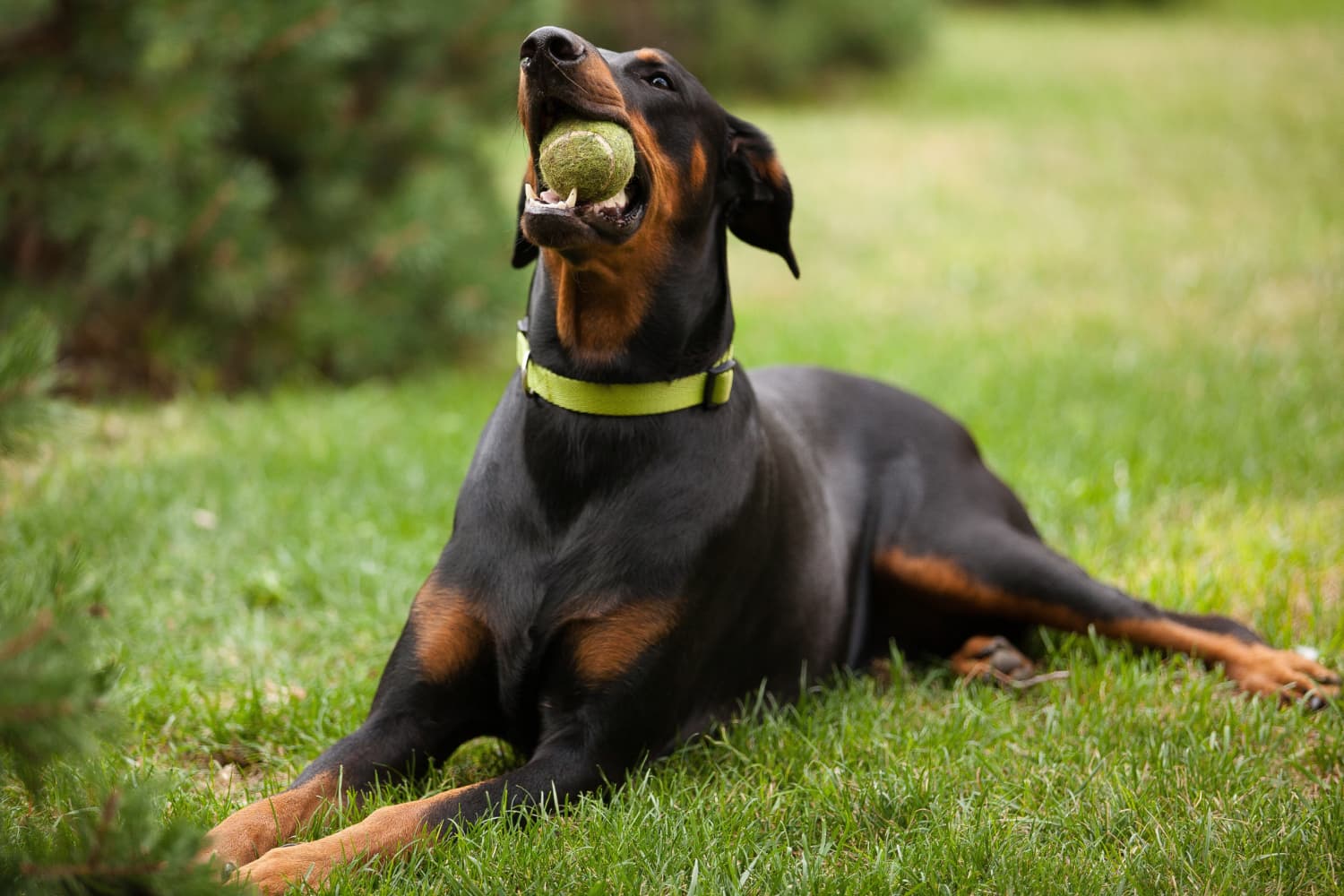
The Doberman Pinscher is a medium-to-large working breed renowned for its combination of elegance, strength, and intelligence. Originally developed as a personal protection dog, the Doberman is alert, brave, and intensely loyal to its family. Their streamlined, athletic build and sharp mind make them capable of excelling in many roles, from watchdog and family guardian to competitive sport dog.
According to the American Kennel Club (AKC), the Doberman Pinscher consistently ranks among the more popular working breeds due to its versatility and deep devotion to its people. With responsible breeding, early socialization, and structured, positive training, Dobermans can be affectionate, stable companions who are just as happy relaxing at home with their family as they are training or working.
Breed History & Origin
The Doberman Pinscher originated in late 19th-century Germany. The breed is credited to Louis Dobermann, a tax collector and night watchman who wanted a medium-sized, obedient, courageous dog to protect him during his rounds. He selectively bred existing local dogs, likely including the old German Pinscher, Rottweiler-type dogs, and various shepherd and hunting breeds, to create a powerful yet manageable personal protection dog.
Over time, the Doberman was refined into the sleek, athletic dog recognized today. The breed quickly proved its worth as a working dog in military, police, and rescue roles, especially during the World Wars. The AKC recognized the Doberman Pinscher in the early 1900s, and today the Doberman Pinscher Club of America (DPCA) serves as the parent club in the United States. Modern Dobermans continue to excel in protection sports, obedience, and many service roles, while also serving as loyal family guardians.
Physical Characteristics & Breed Standards
Doberman Pinschers are medium-to-large, square-built dogs bred for speed, strength, and agility. The AKC breed standard describes a dog that is compact, muscular, and powerful without appearing heavy. Their appearance should reflect alertness, nobility, and readiness for action, with clean lines and a smooth, effortless gait that allows them to move quickly and efficiently.
| Characteristic | Male | Female |
|---|---|---|
| Height | 26–28 inches | 24–26 inches |
| Weight | ~75–100 pounds | ~60–90 pounds |
| Lifespan | 10–13 years | |
| Coat Type | Short, smooth, close-lying coat; single-coated and low-maintenance | |
| Common Colors | Black, red, blue, and fawn (Isabella) with rust markings in specific locations | |
Key Physical Features: The Doberman has a long, dry, wedge-shaped head with a well-defined stop and strong muzzle. Eyes are medium, almond-shaped, and usually dark, giving a keen and intelligent expression. Ears may be left natural (carried semi-erect or folded) or cropped where legal. The tail is typically docked in countries where the practice is permitted, though natural tails are increasingly seen in many regions. Their balanced, ground-covering gait reflects their working heritage and ability to change direction quickly when needed.
Temperament & Personality
Doberman Pinschers are known for their intelligence, trainability, and intense loyalty. They are people-oriented dogs that bond closely with their families and often follow their favorite humans from room to room. This closeness, combined with natural guarding instincts, makes them excellent watchdogs and family protectors when properly managed.
A well-bred Doberman should be confident and stable—neither shy nor unnecessarily aggressive. Many are reserved with strangers but affectionate and playful with their families. Because they are highly sensitive and perceptive, they respond best to calm, consistent leadership and positive reinforcement. Without good socialization and guidance, their protective tendencies can become overly intense or anxious.
Dobermans thrive when they have a job to do, whether that is obedience training, protection sports, nosework, or simply being an active participant in family activities. They are not suited to being left alone for long periods with little interaction; boredom and frustration may lead to destructive behaviors or anxiety.
Exercise Requirements by Life Stage
As an energetic working breed, the Doberman Pinscher requires regular, structured exercise and mental engagement. They are athletic dogs built for speed and stamina, and most adults need more activity than the average companion dog. Care must be taken not to overexercise growing puppies, and to consider joint and heart health in adults and seniors.
| Life Stage | Daily Exercise | Recommended Activities |
|---|---|---|
| Puppies (8 weeks - 12 months) | Short, age-appropriate sessions; 5 minutes per month of age, 2x daily | Leash walks, gentle play, basic obedience, controlled socialization, low-impact games |
| Adults (1-7 years) | 1.5–2 hours total, split into sessions | Brisk walks, jogging, fetch, obedience and protection sports, agility, scent work, structured off-leash play in secure areas |
| Seniors (7+ years) | 30–60 minutes, adjusted for joint and heart health | Gentle walks, light play, low-impact games, nosework and puzzle-based mental enrichment |
Mental Exercise: Dobermans are problem solvers and thrive on mental challenges. Incorporate obedience training, trick training, scent games, puzzle toys, and structured tasks into their daily routine. Many Dobermans excel in sports like obedience, rally, tracking, agility, and protection sports, which allow them to engage both their bodies and minds.
Grooming & Maintenance Schedule
Doberman Pinschers have a short, smooth coat that lies close to the body and is relatively easy to maintain. They do shed, but their hair is short and less voluminous than many double-coated breeds. Regular grooming helps keep their skin healthy, reduces shedding, and allows for early detection of lumps, bumps, or skin issues.
| Grooming Task | Frequency | Tools/Notes |
|---|---|---|
| Brushing | 1–2 times per week | Rubber curry brush or grooming mitt to remove loose hair and stimulate skin |
| Bathing | Every 4–8 weeks or as needed | Gentle dog shampoo; avoid overbathing to prevent dry skin |
| Nail trimming | Every 2–3 weeks | Trim or grind; nails should not extend past the paw or click loudly on hard floors |
| Ear cleaning (natural or cropped) | Weekly check, clean as needed | Veterinary ear cleaner, cotton balls; watch for redness, odor, or excessive scratching |
| Dental care | Daily (ideal) or at least 3x per week | Dog toothbrush and toothpaste; add dental chews or water additives as recommended by your vet |
Nutrition & Feeding Guidelines
Proper nutrition is essential to support the Doberman Pinscher's athletic build, heart health, and overall well-being. As a medium-to-large working breed, Dobermans typically do best on a high-quality diet with appropriate levels of animal-based protein and balanced fats to fuel their energy needs while maintaining a lean body condition.
| Life Stage | Protein | Fat | Daily Amount (Dry Food) | Meals/Day |
|---|---|---|---|---|
| Puppies (2–12 months) | 22–26% | 10–16% | Varies by age/weight; follow large-breed growth guidelines and veterinary advice | 3–4 |
| Adults (moderately active) | 22–26% | 10–15% | ~2.5–3.5 cups (split into meals), adjusted for size and activity level | 2 |
| Adults (highly active/working) | 24–30% | 14–20% | ~3.5–4.5 cups, tailored to workload and body condition score | 2–3 |
| Seniors (7+ years) | 18–24% | 8–14% | 2–3 cups, adjusted for activity, heart health, and joint status | 2 |
Essential Nutritional Considerations: Look for formulas with high-quality animal protein (such as chicken, beef, lamb, or fish) as the first ingredient. Omega-3 and Omega-6 fatty acids support skin, coat, and joint health, and may be especially beneficial in an active breed like the Doberman. Given the breed's predisposition to certain heart conditions, work closely with your veterinarian when selecting diets and supplements, particularly those containing added taurine and supportive nutrients. Always transition foods gradually to avoid digestive upset.
Bloat Prevention: Dobermans are a deep-chested breed and may be at increased risk for gastric dilatation-volvulus (GDV or bloat). To help reduce risk, divide daily food into two or more meals, avoid rapid gulping (use slow-feeder bowls if needed), and limit vigorous exercise or rough play for about an hour before and after meals. Discuss bloat warning signs and possible preventative options (such as prophylactic gastropexy) with your veterinarian.
Health Considerations & Genetic Screening
Doberman Pinschers are generally robust, athletic dogs, but the breed does have several significant inherited health concerns. Responsible breeders perform recommended health testing, carefully select breeding pairs, and prioritize longevity and temperament. Prospective owners should be aware of common issues and seek breeders who provide transparent health information and documentation.
Common Health Conditions
| Condition | Prevalence | Description |
|---|---|---|
| Dilated Cardiomyopathy (DCM) | Major breed concern | Heart muscle disease that can lead to decreased heart function, arrhythmias, and heart failure |
| Von Willebrand's Disease (vWD) | Well-documented genetic issue | Inherited bleeding disorder that affects blood clotting; DNA testing is available |
| Hip Dysplasia | Recognized breed risk | Abnormal hip joint development that can cause pain, lameness, and arthritis |
| Wobbler Syndrome (Cervical Vertebral Instability) | Notable in the breed | Spinal cord compression in the neck causing weakness, gait abnormalities, and pain |
| Hypothyroidism | Documented risk | Underactive thyroid gland leading to weight gain, lethargy, and coat/skin changes |
| Eye Conditions (e.g., cataracts, PHTVL/PHPV) | Recognized breed concern | Various inherited eye diseases that can impact vision and may progress over time |
AKC Recommended Health Screenings
The AKC and Doberman Pinscher Club of America (DPCA) recommend health testing for breeding dogs. Always request copies of official health clearances when purchasing a puppy from a breeder:
| Screening Test | Testing Authority | Purpose |
|---|---|---|
| Hip Evaluation | OFA or PennHIP | Screen for hip dysplasia and assess quality of the hip joints |
| Cardiac Evaluation | OFA Advanced Cardiac, Board-certified cardiologist | Screen for DCM, arrhythmias, and other heart diseases (often via echocardiogram/Holter) |
| Von Willebrand's Disease (vWD) DNA Test | OFA or other approved laboratory | Identify clear, carrier, or affected dogs for this bleeding disorder |
| Thyroid Evaluation | OFA or certified laboratory panel | Screen for autoimmune thyroiditis and hypothyroidism |
| Ophthalmologist Evaluation | ACVO/OFA Eye Certification | Screen for inherited eye diseases and structural abnormalities |
| Additional Cardiac Monitoring (Holter, repeat echo) | Board-certified cardiologist | Ongoing evaluation of heart rhythm and function in breeding dogs and lines at risk for DCM |
Training & Socialization
Doberman Pinschers are highly trainable and eager to work with their handlers. Their intelligence and focus make them excellent candidates for obedience, protection sports, and advanced training. However, their sensitivity and strong protective instincts mean that training must be thoughtful, consistent, and fair.
Early Socialization: Begin socialization as early as possible, ideally between 3–14 weeks of age and continuing through adolescence. Introduce your Doberman puppy to a variety of friendly people, dogs, environments, sounds, and situations in a controlled, positive way. Proper socialization helps prevent fearfulness or overprotective behavior and supports the development of a confident, stable adult dog.
Training Approach: Positive reinforcement training is particularly effective with Dobermans. Use food rewards, toys, praise, and play to reinforce desired behaviors. Harsh physical corrections or inconsistent handling can damage trust and may create anxiety or defensive responses. Short, engaging training sessions that combine obedience, impulse control, and fun games keep Dobermans mentally satisfied and responsive.
Recommended Training Programs: Foundation programs such as AKC S.T.A.R. Puppy, Canine Good Citizen (CGC), and Community Canine (CGCA) are excellent starting points. Many Dobermans thrive in sports such as obedience, rally, tracking, protection sports (where appropriate and ethical), agility, and nosework. Working with an experienced trainer or club familiar with the breed can help you channel their abilities safely and responsibly.
Working Roles & Capabilities
The Doberman Pinscher was bred as a personal protection dog and remains one of the most versatile working breeds. Their combination of courage, intelligence, and athleticism allows them to succeed in a wide variety of modern roles:
- Personal & Family Protection: Dobermans are naturally watchful and protective of their families. With proper training and temperament, they can serve as reliable deterrents to intruders while remaining gentle with their own household.
- Police & Military Work: Historically used as war dogs and police dogs, some Dobermans still work in law enforcement, patrol, detection, and search roles where their speed and responsiveness are assets.
- Dog Sports: The breed stands out in obedience, rally, protection sports, tracking, agility, and other performance venues that reward precision, drive, and handler focus.
- Search & Rescue / Detection: With proper training, Dobermans can work in search & rescue, tracking, and detection roles, benefiting from their keen noses and endurance.
- Therapy & Support Work: Some Dobermans with particularly stable, gentle temperaments serve as therapy dogs or emotional support animals, providing comfort in hospitals, schools, and care facilities.
- Active Family Companions: For many owners, the Doberman's primary job is being a loving family member, joining hikes, runs, and other adventures while providing a sense of security at home.
Frequently Asked Questions
Are Doberman Pinschers good family dogs?
Yes, Dobermans can be excellent family dogs in the right homes. They are often affectionate, people-focused, and very loyal to their families, including children they are raised with. However, they are powerful, energetic dogs with protective instincts, so supervision around small children, early training, and clear boundaries are essential. Families should be prepared to invest in training, socialization, and daily exercise.
How much does a Doberman Pinscher puppy cost?
Prices vary by region, pedigree, health testing, and breeder reputation. From responsible breeders who conduct recommended health screenings and raise puppies in a high-quality environment, Doberman puppies commonly range from around $1,500–$3,500 or more. Puppies from titled working or show lines may cost more. Be cautious of unusually low prices, which can indicate lack of health testing, poor breeding practices, or puppy mill origins.
Do Dobermans shed a lot?
Dobermans have short coats and are often described as moderate shedders. They shed small hairs year-round, with occasional increases during seasonal changes. Regular brushing once or twice a week helps reduce loose hair and keeps the coat shiny. Prospective owners should still expect some dog hair on clothes and furniture, even though it is less than many long-haired breeds.
Are Doberman Pinschers aggressive?
A well-bred, well-socialized Doberman should be confident, alert, and stable—not fearful or unnecessarily aggressive. They do possess natural protective instincts and may be reserved with strangers, but indiscriminate aggression is not desirable in the breed. Poor socialization, lack of training, harsh handling, or pain can contribute to behavior problems in any dog, so it is critical to choose responsible breeders and invest in early positive training and ongoing management.
Can Dobermans live in apartments?
Apartment living is possible for Dobermans if their physical and mental needs are consistently met. They require daily brisk walks, training, and interactive play. Because they are alert watchdogs, some Dobermans may bark at noises in hallways or neighboring units, so management and training for quiet behavior are important. Ultimately, time and commitment from the owner matter more than square footage, but a secure yard or nearby safe exercise area can make life easier with this breed.
What is the difference between European and American Dobermans or working and show lines?
Broadly speaking, working-line or European-type Dobermans are often bred with a stronger emphasis on drive, working ability, and protection sports, and may have higher energy levels and more intense temperament. American show lines may place more emphasis on conformation and ring presence and can sometimes have somewhat softer or more moderate temperaments, though they are still active working dogs. Individual temperament varies widely, so it is crucial to meet the parents, discuss goals with the breeder, and choose a line that matches your experience and lifestyle.
Is a Doberman Pinscher Right for You?
Doberman Pinschers are best suited for:
- Active individuals or families who enjoy regular exercise, training, and outdoor activities
- Owners who can provide at least 1–2 hours of combined physical and mental exercise most days of the week
- People interested in obedience, protection sports, tracking, agility, or other advanced training and dog sports
- Those who want a highly intelligent, people-oriented dog that enjoys close companionship and being part of daily life
- Homes that can provide clear structure, consistent boundaries, and positive training
- Owners committed to regular veterinary care, including heart and genetic screening, and who understand the breed's health considerations
- People comfortable living with a vigilant guardian that may be reserved with strangers
Doberman Pinschers may not be ideal for first-time dog owners who are not prepared to invest time in training and management, households seeking a low-energy or highly independent pet, or families away from home for most of the day. Without enough structure, companionship, and appropriate outlets, a Doberman's intelligence and drive can become challenging to manage.
References & Resources
- 1. American Kennel Club (AKC). "Doberman Pinscher Breed Standard." akc.org
- 2. Doberman Pinscher Club of America (DPCA). "Breed Information & Health."
- 3. Orthopedic Foundation for Animals (OFA). "Breed Statistics for Doberman Pinschers."
- 4. Various veterinary cardiology resources on Dilated Cardiomyopathy (DCM) in Dobermans.
- 5. Veterinary genetics laboratories. "Von Willebrand's Disease Testing in Dobermans."
- 6. AKC Canine Health Foundation. "Inherited Diseases in Working Breeds."
- 7. DPCA and responsible breeder guidelines for health testing and temperament selection.
- 8. Veterinary nutrition resources on feeding active, medium-to-large working breeds.