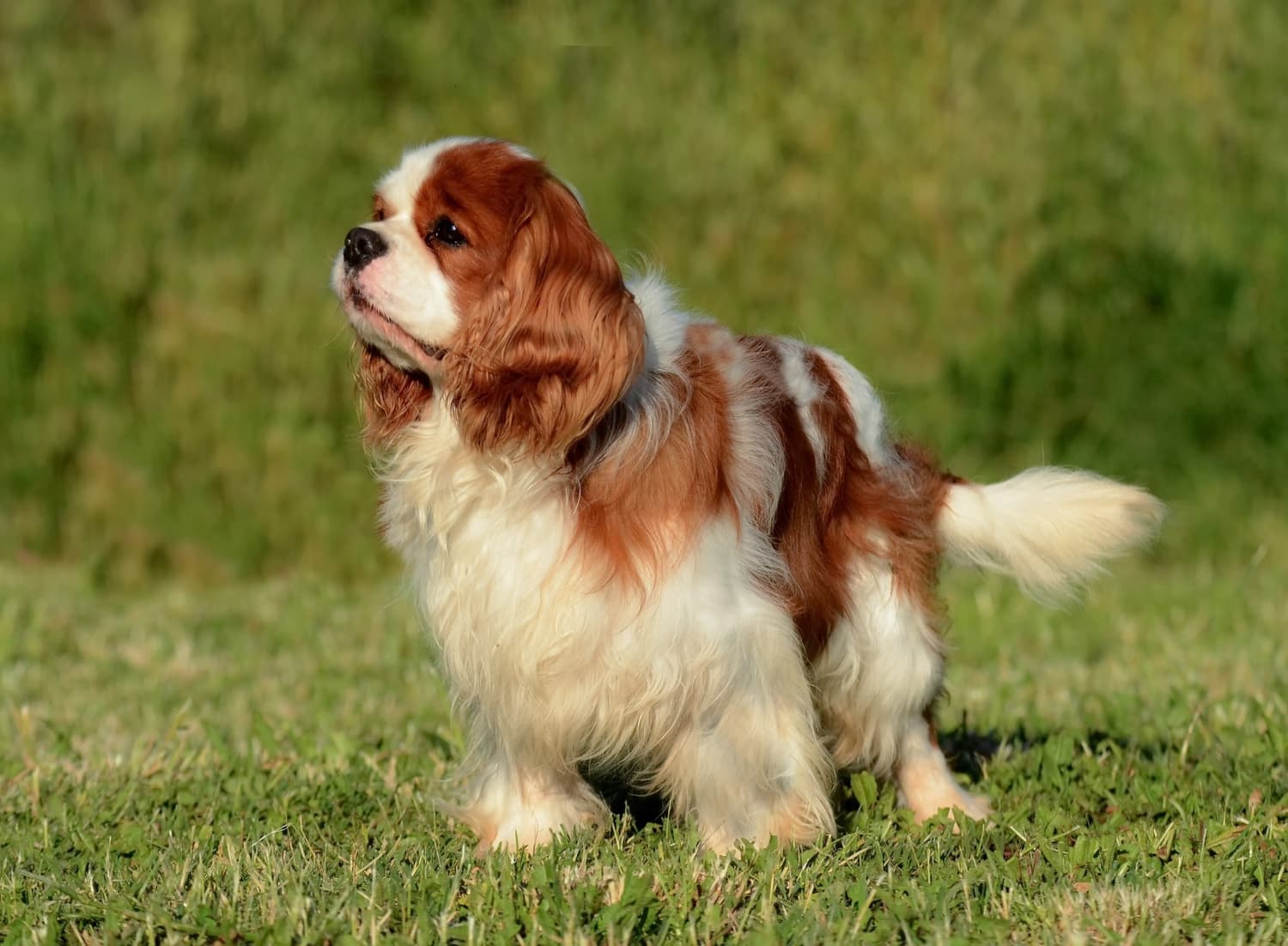
The Cavalier King Charles Spaniel is a small, graceful toy spaniel prized for its sweet nature, expressive face, and silky, flowing coat. Bred primarily as a companion, the Cavalier combines the charm of a lapdog with the athletic ability and curiosity of a small sporting spaniel, making it an excellent fit for many lifestyles and home types.
According to the American Kennel Club (AKC), Cavalier King Charles Spaniels consistently rank among the most popular toy breeds. Their popularity comes from their affectionate, people-oriented temperament, adaptability to both city and suburban living, and reputation for getting along well with children, seniors, and other pets. When provided with daily companionship, gentle training, and routine care, Cavaliers make loving, easygoing family companions.
Breed History & Origin
The Cavalier King Charles Spaniel traces its roots back to small toy spaniels that were favored in European royal courts, particularly during the reigns of King Charles I and King Charles II of England. These spaniels frequently appeared in paintings from the 16th to 18th centuries, depicted as graceful lapdogs lounging beside their aristocratic owners.
Over time, these toy spaniels were crossed with other breeds, and their appearance shifted toward shorter muzzles and domed heads. In the early 20th century, breed fanciers set out to recreate the longer-muzzled “old-type” spaniels seen in historic art, leading to the development of the modern Cavalier King Charles Spaniel. The AKC formally recognized the breed in 1995. Today, Cavaliers are beloved worldwide as affectionate, elegant companion dogs that still retain a hint of their spaniel heritage.
Physical Characteristics & Breed Standards
Cavalier King Charles Spaniels are small, well-balanced toy spaniels with a graceful outline and gentle expression. According to the AKC breed standard, they should be slightly longer than tall, with moderate bone, a level topline, and a free, elegant gait. Their large, dark, round eyes and soft, melting expression are hallmark features of the breed.
| Characteristic | Male | Female |
|---|---|---|
| Height | 12–13 inches | 12–13 inches |
| Weight | 13–18 pounds | 13–18 pounds |
| Lifespan | 12–15 years (some may live longer with excellent care) | |
| Coat Type | Long, silky coat with feathering on ears, chest, legs, feet, and tail; slight wave acceptable | |
| Common Colors | Blenheim (chestnut and white), Tricolor (black, white, tan), Black & Tan, Ruby (solid rich red) | |
Key Physical Features: Cavaliers have a slightly rounded skull, a full, gently tapered muzzle, and a well-defined stop. Their large, dark, round eyes give a soft, loving expression without being bulging. Long, high-set ears are well feathered and frame the face. The tail is carried happily in motion, level with the back, and is also beautifully feathered. Their graceful, fluent movement reflects a spaniel capable of moderate activity rather than a purely ornamental toy dog.
Temperament & Personality
Cavalier King Charles Spaniels are renowned for their gentle, affectionate, and eager-to-please temperaments. They are typically very people-focused and happiest when close to their families, whether snuggled on the couch or following their humans from room to room. This strong attachment makes them excellent companions but means they generally do not enjoy long periods of solitude.
Cavaliers are usually friendly with strangers, children, and other animals, including cats and other dogs, especially when socialized early. They are more likely to welcome visitors than act as watchdogs, though some may bark briefly at new sights or sounds. Their gentle nature and sensitivity make them well-suited to positive reinforcement training and calm, patient handling.
While Cavaliers are primarily companion dogs, many retain a playful, moderately active spaniel side and enjoy walks, playtime, and simple games. They thrive in homes where they receive daily affection, interactive time, and opportunities to be close to their people.
Exercise Requirements by Life Stage
Cavaliers have moderate exercise needs compared to many larger sporting or herding breeds. They enjoy regular walks and play but are generally content with a balance of activity and cuddle time. Safe, age-appropriate exercise helps maintain a healthy weight and supports joint and heart health—both important for this breed.
| Life Stage | Daily Exercise | Recommended Activities |
|---|---|---|
| Puppies (8 weeks - 12 months) | 5 minutes per month of age, 2x daily (split into short sessions) | Short walks, gentle play on soft surfaces, basic obedience, socialization, calm exploration |
| Adults (1-7 years) | 45–60 minutes total, most days | Leashed walks, light hikes, fetch, gentle games, beginner agility, scent games, interactive play |
| Seniors (7+ years) | 20–40 minutes, adjusted for health and mobility | Short, frequent walks, light play, gentle indoor games, low-impact brain puzzles |
Mental Exercise: Although not as intense as high-drive working breeds, Cavaliers still benefit from mental enrichment. Incorporate food puzzle toys, trick training, nosework games, and short training sessions into their routine. Many Cavalier King Charles Spaniels enjoy rally, obedience, or low-impact agility, which provide both mental and physical engagement.
Grooming & Maintenance Schedule
Cavaliers have a long, silky coat that requires regular maintenance to prevent mats and tangles, especially around the ears, chest, armpits, tail, and feathering on legs and feet. They shed moderately year-round, with periods of heavier shedding, and their ears need particular attention to keep them clean and healthy.
| Grooming Task | Frequency | Tools/Notes |
|---|---|---|
| Brushing (regular season) | 3–4 times per week | Pin brush and comb; focus on ears, behind ears, feathering, and tail to prevent mats |
| Brushing (shedding season) | Daily or every other day | Slicker brush and comb; thorough but gentle line brushing to remove loose hair |
| Bathing | Every 4–6 weeks or as needed | Gentle dog shampoo and conditioner; dry coat thoroughly to protect skin and ears |
| Nail trimming | Every 3–4 weeks | Trim or grind nails; check dewclaws if present |
| Ear cleaning | Weekly check, clean as needed | Veterinary ear cleaner, cotton balls; monitor for redness, odor, or discharge, as drop ears are prone to infections |
| Dental care | Daily (ideal) or at least 3x per week | Dog toothbrush and toothpaste; consider dental chews or water additives as recommended by your vet |
Nutrition & Feeding Guidelines
Proper nutrition is essential to support the Cavalier King Charles Spaniel's heart health, ideal body condition, and long-term well-being. As a small, moderately active breed, Cavaliers do best on high-quality diets that provide balanced protein, fat, and controlled calories to avoid excess weight gain, which can stress joints and the cardiovascular system.
| Life Stage | Protein | Fat | Daily Amount (Dry Food) | Meals/Day |
|---|---|---|---|---|
| Puppies (2–12 months) | 22–26% | 10–15% | Varies by age/weight; typically around 1–1.5 cups, divided; follow vet and food label guidance | 3–4 |
| Adults (moderately active) | 18–24% | 8–14% | ~0.75–1.25 cups (split into meals), adjusted for weight and activity level | 2 |
| Adults (highly active) | 22–28% | 12–18% | ~1–1.5 cups, adjusted for activity and body condition | 2–3 |
| Seniors (7+ years) | 18–22% | 8–12% | 0.75–1.25 cups, tailored to activity, weight, and heart health per veterinary guidance | 2 |
Essential Nutritional Considerations: Look for formulas that list high-quality animal proteins (such as chicken, turkey, fish, or lamb) as the first ingredient. Omega-3 and Omega-6 fatty acids support skin, coat, and joint health. Maintaining a lean body condition is crucial to reduce stress on the heart and joints. Because Cavaliers can be prone to dental issues, consider incorporating daily dental care and appropriate chew options.
Digestive & Heart Support: Some Cavalier King Charles Spaniels benefit from diets formulated for small breeds or cardiac support, especially if heart disease is present and your veterinarian recommends it. Always consult your vet before making significant changes to diet, especially if your dog has existing health conditions.
Health Considerations & Genetic Screening
Cavalier King Charles Spaniels are generally affectionate and resilient, but they are predisposed to several notable inherited health conditions. Responsible breeders prioritize health testing, transparent screening, and careful selection of breeding dogs to help reduce risk. Prospective owners should be aware of common health concerns and ask for documentation of relevant health clearances.
Common Health Conditions
| Condition | Prevalence | Description |
|---|---|---|
| Mitral Valve Disease (MVD) | Major breed concern | Degenerative heart valve disease that can lead to heart murmurs and congestive heart failure; regular cardiac monitoring is important |
| Syringomyelia / Chiari-like Malformation | Recognized in the breed | Neurological condition where fluid-filled cavities develop in the spinal cord; may cause pain, scratching, or sensitivity around head/neck |
| Hereditary Eye Diseases | Notable concern | Includes cataracts, retinal problems, and other inherited eye conditions; regular ophthalmologic exams are recommended |
| Patellar Luxation | Common in small breeds | Knee caps that slip out of place, potentially causing intermittent lameness or abnormal gait |
| Ear Infections & Skin Issues | Relatively common | Drop ears and feathered coat can predispose Cavaliers to ear infections and skin irritation if not properly maintained |
| Hip Dysplasia & Other Orthopedic Issues | Lower to moderate risk | Abnormal joint development that can lead to arthritis and reduced mobility; careful breeding and weight management help reduce risk |
AKC Recommended Health Screenings
The AKC and breed clubs recommend health testing for Cavalier King Charles Spaniels used in breeding programs. Always request copies of relevant health evaluations when purchasing a puppy from a breeder:
| Screening Test | Testing Authority | Purpose |
|---|---|---|
| Cardiac Evaluation (Auscultation/Echocardiogram) | Board-certified veterinary cardiologist, OFA | Screen for mitral valve disease and other inherited heart conditions |
| Ophthalmologist Evaluation | ACVO/OFA Eye Certification | Screen for hereditary eye diseases such as cataracts and retinal disorders |
| Patellar Evaluation | OFA or equivalent orthopedic registry | Screen for patellar luxation (loose kneecaps) |
| Hip Evaluation (optional but recommended) | OFA or PennHIP | Assess hip joint quality and screen for dysplasia |
| MRI Screening for Syringomyelia (where feasible) | Veterinary neurologist / advanced imaging center | Evaluate for Chiari-like malformation and syringomyelia in breeding dogs |
| Genetic Testing (as available) | OFA or approved genetic laboratories | Identify carriers or affected dogs for specific hereditary conditions |
Training & Socialization
Cavalier King Charles Spaniels are generally very trainable, thanks to their desire to please and close bond with their owners. They respond well to gentle, reward-based methods and typically enjoy training sessions that feel like games. Harsh corrections or forceful handling can undermine their confidence and trust.
Early Socialization: Begin socialization early, ideally between 3–14 weeks of age. Introduce your Cavalier puppy to a variety of people, friendly dogs, sounds, and environments in a controlled, positive manner. This helps prevent timidity, reduces the risk of sound sensitivity, and fosters a calm, adaptable adult dog that is comfortable in the home and in public.
Training Approach: Positive reinforcement using treats, praise, and play is ideal. Keep sessions short and fun, and focus on foundational cues like sit, down, come, stay, and polite leash walking. Cavaliers can be sensitive, so consistency and patience are key. Many enjoy learning tricks, participating in beginner agility, or practicing rally and obedience at a casual level.
Recommended Training Programs: Consider enrolling in puppy kindergarten and basic manners classes. AKC S.T.A.R. Puppy and Canine Good Citizen (CGC) programs provide a solid foundation for good behavior at home and in public. Their gentle, friendly nature also makes many Cavaliers well-suited for therapy dog work when appropriately trained and temperament-tested.
Roles & Capabilities
While the Cavalier King Charles Spaniel is primarily a companion breed, their spaniel background and willing nature allow them to succeed in a variety of modern roles and activities:
- Companion & Family Dog: Cavaliers excel as loving family pets, offering companionship to individuals, couples, and families with children.
- Therapy Dogs: Their gentle demeanor, small size, and love of people often make them excellent therapy dogs in hospitals, schools, and care facilities when properly trained and certified.
- Dog Sports: Many Cavaliers enjoy low-impact agility, rally, obedience, and scent games, which provide enjoyable mental and physical outlets.
- Emotional Support Companions: Their affectionate, intuitive nature can provide comfort and emotional support to owners in a variety of life situations.
- Adventure Buddies: With appropriate conditioning and care, Cavaliers can happily join their families on walks, light hikes, and travel, provided their health and fitness are monitored.
Frequently Asked Questions
Are Cavalier King Charles Spaniels good family dogs?
Yes, Cavaliers are generally excellent family dogs. They are affectionate, gentle, and typically enjoy spending time with children and adults alike. Because they are small and somewhat delicate, interactions with very young children should be supervised to ensure the dog is handled gently and respectfully. Their friendly nature usually extends to other pets as well when properly introduced.
How much does a Cavalier King Charles Spaniel puppy cost?
Prices vary by region, breeder reputation, and health testing practices. From responsible breeders who prioritize health screening and careful socialization, Cavalier King Charles Spaniel puppies often range from around $2,000–$4,000 or more. Puppies from lines with extensive health testing and strong show or performance records may be higher. Be cautious of unusually low prices, which can signal poor breeding practices or lack of appropriate health testing in a breed with known heart and neurological concerns.
Do Cavaliers shed a lot and require much grooming?
Cavaliers are moderate shedders. They shed year-round, with periods of heavier shedding, but regular brushing several times per week greatly reduces loose hair and mats. Their long, silky coat needs consistent maintenance, especially around the ears, behind the ears, and in the feathering. Most owners find their grooming needs manageable with a routine, and some choose professional grooming for tidy trims and maintenance.
Are Cavalier King Charles Spaniels aggressive or good watchdogs?
Cavaliers are not typically aggressive and are usually very friendly, even with strangers. They may bark briefly when someone approaches, but they are more likely to greet visitors with enthusiasm than act as protective guard dogs. Aggression is not characteristic of the breed; if it occurs, it may be related to fear, pain, or poor socialization and should be addressed with professional guidance and veterinary input.
Can Cavalier King Charles Spaniels live in apartments?
Yes, Cavaliers generally adapt very well to apartment or city living as long as their exercise, potty, and companionship needs are met. Daily walks, playtime, and interactive time with their family are essential. Because they thrive on human company, they are not ideal for homes where they would be left alone for long workdays without breaks or a trusted caregiver.
Are Cavalier King Charles Spaniels good for first-time dog owners?
Cavaliers can be a great choice for first-time dog owners who are prepared to commit to regular grooming, veterinary care, and heart-focused health monitoring. Their gentle temperament, moderate exercise needs, and eagerness to please make them relatively easy to train and live with. New owners should partner closely with a veterinarian to understand the breed's health tendencies and schedule appropriate screening and preventive care.
Is a Cavalier King Charles Spaniel Right for You?
Cavalier King Charles Spaniels are best suited for:
- Individuals or families seeking an affectionate, gentle companion who enjoys both cuddling and short adventures
- Owners who can provide daily companionship and do not leave their dog alone for long stretches on a regular basis
- People who can commit to regular grooming and routine health monitoring, especially cardiac evaluations
- Households in apartments, condos, or homes with small yards where moderate daily exercise is feasible
- First-time or experienced owners who appreciate a sensitive, eager-to-please temperament and are comfortable using positive reinforcement training
- Those interested in therapy work, light dog sports, or simply having a devoted lap companion
Cavaliers may not be ideal for people who are frequently away from home for long hours, families who prefer a highly independent dog, or households unable to commit to regular veterinary care and heart screening. Understanding the breed's health needs and emotional sensitivity is key to providing a happy, stable home for a Cavalier King Charles Spaniel.
References & Resources
- 1. American Kennel Club (AKC). "Cavalier King Charles Spaniel Breed Standard." akc.org
- 2. American Cavalier King Charles Spaniel Club (ACKCSC). "Health & Breed Information."
- 3. Cavalier King Charles Spaniel Club, USA. "Guidelines for Responsible Breeding and Health Testing."
- 4. Orthopedic Foundation for Animals (OFA). "Breed Statistics and Recommended Tests for Cavalier King Charles Spaniels."
- 5. Veterinary cardiology and neurology resources on mitral valve disease and syringomyelia in toy breeds.
- 6. Various veterinary dental and nutrition resources on feeding and maintaining small companion dogs.