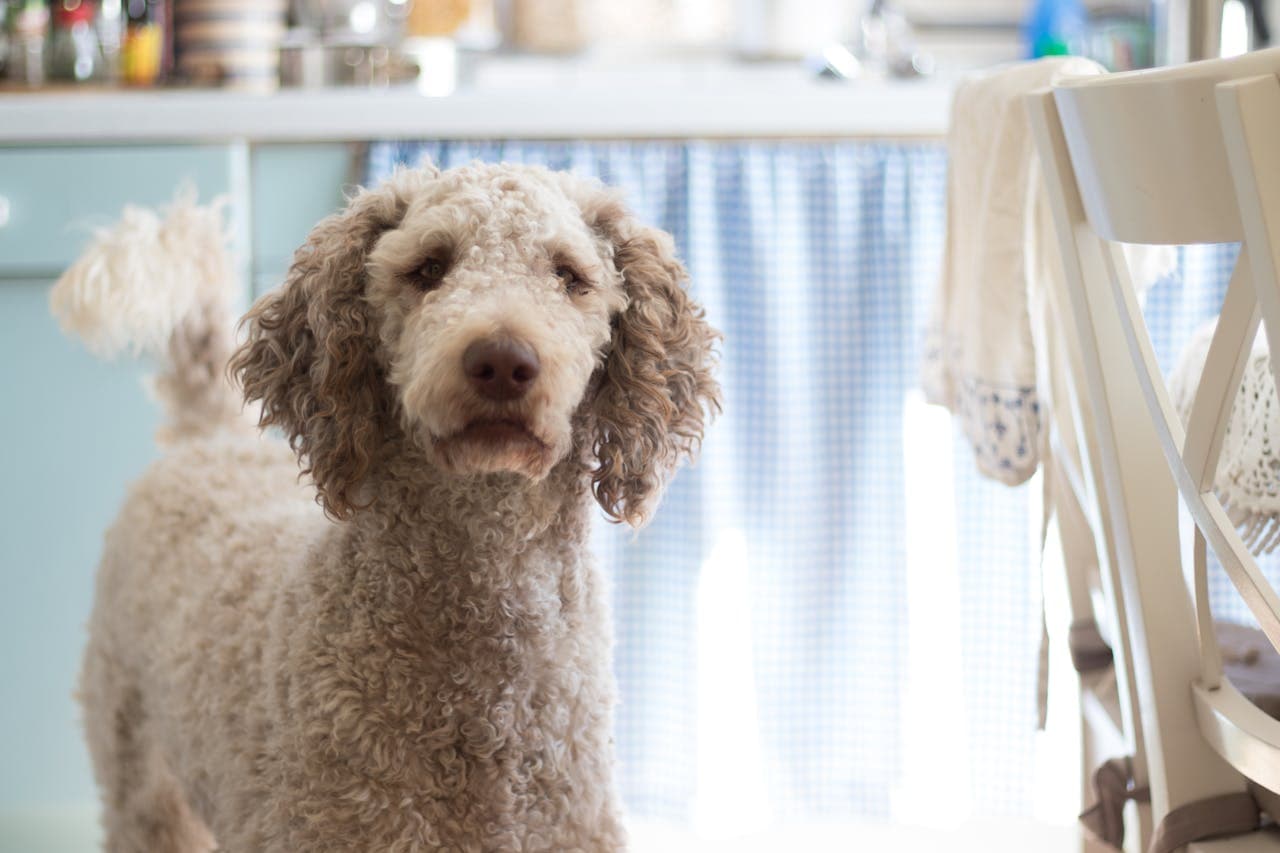
The Poodle is a highly versatile breed known for its exceptional intelligence, trainability, and distinctive curly coat. Despite their reputation as glamorous show dogs, Poodles were originally developed in Europe as skilled water retrievers, capable of working in cold water for long periods. Today, they are cherished as companions, performance dogs, and versatile working partners across the globe.
According to the American Kennel Club (AKC), Poodles consistently rank among the most popular dog breeds. Their popularity stems from their hypoallergenic, low-shedding coat, keen intelligence, and adaptability to a wide range of lifestyles. When given enough exercise, mental stimulation, and grooming care, Poodles make affectionate, loyal family companions and outstanding competitors in obedience, agility, and other dog sports.
Breed History & Origin
The Poodle’s exact origins are debated, but most historians agree that the breed was developed in Germany or France as a water retriever. The name “Poodle” likely comes from the German word "Pudel" or "Pudelin," meaning "to splash in water." Their dense, curly coat and strong swimming ability made them ideal for retrieving waterfowl. Over time, their intelligence, flashy movement, and distinctive appearance led to their popularity among European nobility.
The breed eventually developed into three size varieties—Standard, Miniature, and Toy—each bred to the same standard but differing in height. Standards were used primarily for hunting and retrieving, Miniatures for truffle hunting and circuses, and Toys as companions in city settings. The AKC recognizes all three varieties within a single Poodle breed. Modern Poodles remain highly versatile, excelling in conformation, performance sports, therapy work, and as beloved family dogs.
Physical Characteristics & Breed Standards
Poodles are elegant, well-proportioned dogs with a square outline, proud carriage, and effortless, springy gait. According to the AKC breed standard, they should be built for athleticism and stamina, with a level topline, deep chest, and strong hindquarters. Their most distinctive feature is their dense, curly coat, which is low-shedding and considered more suitable for many people with allergies. The table below focuses on the Standard Poodle, the largest of the three varieties.
| Characteristic | Male (Standard) | Female (Standard) |
|---|---|---|
| Height | 22–27 inches (AKC minimum 15") | 22–25 inches (AKC minimum 15") |
| Weight | 60–70 pounds (approximate range) | 40–60 pounds (approximate range) |
| Lifespan | 12–15 years (Miniature and Toy Poodles may live even longer) | |
| Coat Type | Dense, curly, low-shedding single coat; can be clipped in various trims | |
| Common Colors | Solid colors including white, black, brown, blue, gray, silver, apricot, cream, red; parti-color accepted by many clubs (though not all conformation rings) | |
Key Physical Features: Poodles have a moderately rounded skull, a long, straight muzzle, and dark, oval eyes that convey alertness and intelligence. Their ears are long, hanging close to the head with plenty of feathering. The tail is set high and carried up, often docked in countries where this is still permitted. Their curly coat may be styled in practical "sport clips" or more elaborate show trims, but regardless of style, regular grooming is essential.
Temperament & Personality
Poodles are exceptionally intelligent, eager-to-please, and people-oriented. They are often ranked among the most intelligent dog breeds and are quick learners who excel at problem-solving and complex tasks. This intelligence, paired with their sensitivity, makes them highly responsive to training but also means they can develop unwanted habits quickly if not guided appropriately.
Well-socialized Poodles are affectionate with their families and generally good with children. They may be reserved or cautious around strangers at first but typically warm up with proper introductions. Many Poodles are naturally alert and will bark to signal visitors or unusual sounds, making them good watchdogs without being inherently aggressive when properly trained and socialized.
Poodles thrive on attention and mental engagement. They enjoy learning tricks, playing interactive games, and participating in family activities. Left alone for long periods without stimulation, they may become bored and develop nuisance behaviors such as barking, chewing, or pacing. They do best in homes where they can be active members of daily life.
Exercise Requirements by Life Stage
Poodles are athletic dogs with moderate to high energy levels, particularly in the Standard and Miniature varieties. They require regular physical exercise and mental enrichment to stay healthy and well-behaved. Toy Poodles generally need less intense physical activity but still crave training and interaction.
| Life Stage | Daily Exercise | Recommended Activities |
|---|---|---|
| Puppies (8 weeks - 12 months) | 5 minutes per month of age, 2x daily | Short walks, gentle play, basic obedience, socialization, safe exploration, foundation for grooming handling |
| Adults (1-7 years) | 1–2 hours total (split into multiple sessions) | Brisk walks, swimming, fetch, agility, obedience, rally, nosework, interactive games, off-leash play in secure areas |
| Seniors (7+ years) | 30–60 minutes, adjusted for health | Gentle walks, swimming, light fetch, low-impact games, food puzzles, training refreshers |
Mental Exercise: Poodles need substantial mental stimulation. Incorporate puzzle feeders, trick training, nosework, interactive toys, and structured training into their routine. Many Poodles excel in agility, rally, competitive obedience, dock diving, and other sports that combine physical and mental challenges, helping to channel their energy and intelligence in positive ways.
Grooming & Maintenance Schedule
Poodles have a curly, continuously growing coat that sheds minimally but requires significant grooming. Without regular brushing and trimming, their coat will mat and become uncomfortable, potentially leading to skin issues. Many owners choose practical, shorter clips for ease of maintenance, while show Poodles are kept in more elaborate trims.
| Grooming Task | Frequency | Tools/Notes |
|---|---|---|
| Brushing (short pet clip) | 2–3 times per week | Slicker brush, metal comb; focus on ears, armpits, tail base, and behind ears to prevent mats |
| Brushing (longer/show coat) | Daily or every other day | Thorough line brushing with slicker and comb; professional grooming guidance recommended |
| Professional grooming/clip | Every 4–8 weeks | Full bath, blow-dry, trim or clip; maintain chosen style (puppy clip, sporting clip, etc.) |
| Nail trimming | Every 2–3 weeks | Trim or grind; keep nails short to protect joints and feet |
| Ear cleaning | Weekly check, clean as needed | Veterinary ear cleaner, cotton balls; Poodles are prone to ear issues due to hair and moisture |
| Dental care | Daily (ideal) or at least 3x per week | Dog toothbrush and toothpaste; Toy and Miniature Poodles especially benefit from diligent dental care |
Nutrition & Feeding Guidelines
Proper nutrition is critical to support the Poodle's energetic, intelligent nature and long-term health. Because Poodles come in three size varieties, feeding amounts and formulations should be tailored to size and activity level. Standard Poodles generally require more calories and joint support, while Miniature and Toy Poodles need careful portion control to avoid obesity.
| Life Stage | Protein | Fat | Daily Amount (Dry Food) | Meals/Day |
|---|---|---|---|---|
| Puppies (2–12 months) | 22–26% | 10–15% | Varies by size and weight; follow veterinarian and food label guidance | 3–4 |
| Adults (moderately active) | 18–24% | 8–14% | Standard Poodles: ~2–3 cups; Miniature and Toy Poodles: significantly less, measured carefully | 2 |
| Adults (highly active/working) | 24–30% | 12–18% | Adjust upward for performance or working Standards; monitor body condition closely | 2–3 |
| Seniors (7+ years) | 18–22% | 8–12% | 1.5–2.5 cups for Standards; smaller portions for Miniature and Toy Poodles, adjusted for mobility and metabolism | 2 |
Essential Nutritional Considerations: Look for high-quality animal proteins (such as chicken, turkey, fish, or lamb) listed as main ingredients. Omega-3 and Omega-6 fatty acids support skin and coat health, which is important for Poodles' dense, curly coats. Joint-support supplements can benefit Standard Poodles, while calorie control and dental-friendly kibble size can be especially important for Toy and Miniature Poodles. Always consult your veterinarian before making major diet changes.
Bloat Prevention: Standard Poodles are considered at elevated risk for gastric dilatation-volvulus (GDV or bloat), a life-threatening emergency in deep-chested breeds. To reduce risk, divide daily food into two or more meals, avoid vigorous exercise for about an hour before and after eating, discourage rapid gulping of food (use slow-feeder bowls if needed), and learn the early signs of bloat. Seek emergency veterinary care immediately if GDV is suspected.
Health Considerations & Genetic Screening
Poodles are generally healthy dogs, but like all purebred breeds, they are predisposed to certain inherited conditions. Responsible breeders follow health-testing guidelines from the Poodle Club of America (PCA) and use screening tools to reduce the risk of passing on genetic diseases. Prospective owners should be familiar with common health concerns in the breed and request documentation of health clearances when acquiring a puppy.
Common Health Conditions
| Condition | Prevalence | Description |
|---|---|---|
| Hip Dysplasia | Moderate breed risk (especially in Standards) | Abnormal hip joint development that can lead to pain, lameness, and arthritis over time |
| Hereditary Eye Diseases | Notable concern across varieties | Includes cataracts, Progressive Retinal Atrophy (PRA), and other inherited conditions that can cause vision loss |
| Addison's Disease (Hypoadrenocorticism) | Recognized breed predisposition (especially Standard Poodles) | Endocrine disorder where adrenal glands produce insufficient hormones; can be life-threatening if untreated |
| Gastric Dilatation-Volvulus (Bloat) | Elevated risk in Standard Poodles | Stomach fills with gas and may twist, requiring immediate emergency surgery |
| Epilepsy | Documented in the breed | Seizure disorder which may have a hereditary component; management typically involves medication |
| Sebaceous Adenitis & Skin Issues | Recognized in Standard Poodles | Inflammatory skin disease affecting oil glands, leading to scaling, hair loss, and coat changes |
AKC Recommended Health Screenings
The AKC and Poodle Club of America (PCA) recommend health testing for Poodles used in breeding programs. When selecting a puppy, ask the breeder for copies of official health clearances for both parents:
| Screening Test | Testing Authority | Purpose |
|---|---|---|
| Hip Evaluation | OFA or PennHIP | Screen for hip dysplasia and assess joint health, especially in Standard Poodles |
| Cardiac Evaluation (Standards) | OFA or board-certified cardiologist | Screen for hereditary heart conditions |
| Ophthalmologist Evaluation | ACVO/OFA Eye Certification | Screen for hereditary eye diseases such as cataracts and PRA |
| PRA & Other DNA Tests | OFA or other approved genetic laboratories | Detect carriers or affected dogs for PRA and other breed-relevant inherited diseases |
| Thyroid Evaluation | OFA or certified laboratory | Screen for autoimmune thyroiditis and hypothyroidism |
| Additional Testing as Recommended by PCA | PCA/OFA guidelines | May include screening for sebaceous adenitis, von Willebrand's disease, and other conditions depending on variety and lines |
Training & Socialization
Poodles are among the most trainable of all dog breeds. Their intelligence, eagerness to please, and strong bond with their families make them especially responsive to training. They excel at obedience, tricks, and complex behaviors, which is why they are frequently seen at the top of obedience and agility competitions.
Early Socialization: Begin socialization as early as possible, ideally between 3–14 weeks of age. Introduce your Poodle puppy to a variety of people, friendly dogs, places, noises, and grooming experiences (such as brushing, nail trims, and ear checks). Positive early experiences help prevent fearfulness and build a confident, adaptable adult dog who can handle travel, grooming appointments, and busy environments with ease.
Training Approach: Positive reinforcement methods work best for Poodles. Use treats, toys, praise, and play to reward desired behaviors. Because Poodles are sensitive and highly attuned to their owners, harsh corrections can damage trust and cause anxiety. Short, varied training sessions that mix obedience, tricks, and games keep them mentally engaged and prevent boredom.
Recommended Training Programs: Consider AKC S.T.A.R. Puppy, Canine Good Citizen (CGC), and Community Canine (CGCA) as foundations for manners and reliability. Many Poodles thrive in agility, rally, obedience, trick dog titles, and even therapy dog work. These activities help provide structured outlets for their intelligence and energy.
Working Roles & Capabilities
Although many people picture Poodles as show or companion dogs, they remain versatile workers with strong athletic and cognitive abilities. Their history as water retrievers and circus performers speaks to their intelligence, stamina, and willingness to work closely with humans. Today, Poodles excel in a variety of roles:
- Hunting & Retrieving: Standard Poodles can still be trained as capable waterfowl retrievers and upland hunting companions, making use of their strong swimming ability and soft mouth.
- Dog Sports: Poodles are top competitors in agility, obedience, rally, dock diving, nosework, and trick dog sports, where their athleticism and intelligence shine.
- Therapy & Emotional Support: Their gentle, intuitive nature makes many Poodles well suited for therapy dog work in hospitals, schools, and care facilities when properly trained.
- Service Dogs: Some Poodles are used as service dogs for mobility assistance, medical alert (such as diabetes alert), and psychiatric support, thanks to their trainability and focus.
- Active Family Companions: For many owners, a Poodle's primary role is to be a devoted family companion who joins in on walks, hikes, travel, and everyday life.
Frequently Asked Questions
Are Poodles good family dogs?
Yes, Poodles can be excellent family dogs. They are affectionate, playful, and generally good with children when properly socialized and supervised. Standard Poodles are sturdy enough for active play, while Miniature and Toy Poodles may be more delicate and better suited to families who can teach children to handle small dogs gently. Poodles do best in homes where they receive consistent attention, training, and involvement in family activities.
How much does a Poodle puppy cost?
The cost of a Poodle puppy varies based on size, pedigree, breeder reputation, and region. From responsible breeders who perform recommended health testing and raise puppies in enriching environments, Poodle puppies commonly range from around $1,500 to $3,500 or more. Puppies from champion show or performance lines may cost even more. Be cautious of unusually low prices, which may indicate poor breeding practices, lack of health testing, or high-volume breeding operations.
Do Poodles shed a lot?
Poodles are considered low-shedding dogs. Instead of shedding large amounts of hair, their curly coat tends to catch loose hairs, which is why regular brushing is essential to prevent mats. While no dog is completely hypoallergenic, many people with mild dog allergies find Poodles more tolerable than heavier-shedding breeds. However, the trade-off for low shedding is a high grooming requirement, including frequent brushing and regular professional grooming.
Are Poodles aggressive?
Poodles are not inherently aggressive. Well-bred, well-socialized Poodles are typically friendly, confident, and responsive to their owners. They may be reserved with strangers and alert barkers, but they should not be fearful or sharp. As with any breed, inadequate socialization, poor breeding, pain, or harsh handling can contribute to behavior problems. Positive training and early exposure to a wide range of people and environments are important for a stable temperament.
Can Poodles live in apartments?
Yes, Poodles can adapt well to apartment living, particularly Miniature and Toy varieties, as long as their exercise and mental stimulation needs are met. Standard Poodles can also live in apartments if they receive sufficient daily walks, play, and training. Regardless of size, Poodles should not be left alone for long periods without activity, and owners must commit to regular outings and engagement to prevent boredom and frustration.
What is the difference between Standard, Miniature, and Toy Poodles?
All three varieties share the same breed standard in terms of structure, coat, and temperament, and differ only in height. Standard Poodles are 15 inches or taller at the shoulder (often 22–27 inches) and are generally the most robust and athletic. Miniature Poodles stand 10–15 inches, while Toy Poodles are under 10 inches tall. Standards often suit very active families or those interested in sports or field work, while Miniatures and Toys may be better for smaller homes or people seeking a smaller companion—but all Poodles require training, grooming, and mental engagement.
Is a Poodle Right for You?
Poodles are best suited for:
- Individuals or families who want an intelligent, trainable dog involved in daily life
- Owners willing to commit to regular professional grooming and at-home brushing
- People interested in dog sports, advanced training, tricks, or therapy work
- Those who prefer a low-shedding dog and can manage a high-grooming breed
- Active households that can provide daily walks, play, and mental enrichment
- Owners who appreciate a sensitive, people-focused dog that bonds closely with its family
Poodles may not be ideal for people seeking a completely low-maintenance dog, those who dislike frequent grooming or paying for regular professional grooming, or households where the dog will be left alone for long hours with little interaction. Their intelligence and sensitivity mean they need consistent companionship, structure, and engagement to truly thrive.
References & Resources
- 1. American Kennel Club (AKC). "Poodle (Standard, Miniature, Toy) Breed Standard." akc.org
- 2. Poodle Club of America (PCA). "Breed Information & Health Testing Guidelines." poodleclubofamerica.org
- 3. Orthopedic Foundation for Animals (OFA). "Poodle Breed Statistics & Health Testing Results." ofa.org
- 4. AKC Canine Health Foundation. "Addison's Disease and Other Endocrine Disorders in Dogs."
- 5. PCA Health Committee. "Sebaceous Adenitis & Skin Disease in Standard Poodles."
- 6. Veterinary ophthalmology resources on hereditary cataracts and PRA in Poodles.
- 7. Veterinary cardiology and internal medicine references on GDV risk in large, deep-chested breeds.
- 8. Board-certified veterinary nutritionist resources on feeding small vs. large breed dogs and managing weight in Poodles.