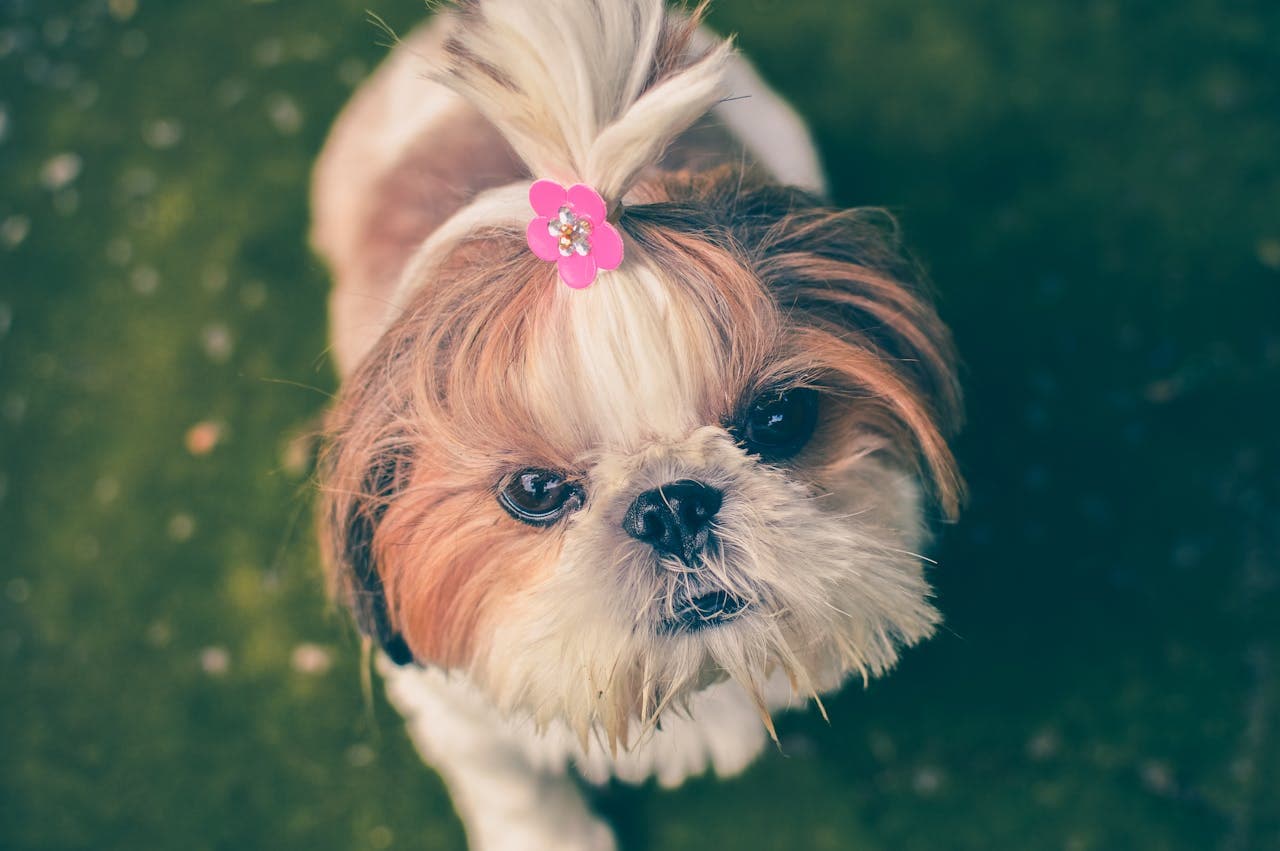
The Shih Tzu is a small, sturdy toy breed known for its charming personality, flowing coat, and strong desire to be close to its family. Bred for centuries as a royal lap dog, the Shih Tzu is happiest living indoors as a companion, sharing everyday life on the sofa, at your feet, and in your arms. Despite their size, they are confident, bold little dogs with a surprisingly big presence.
According to the American Kennel Club (AKC), Shih Tzus consistently rank among the most popular toy breeds. Their popularity stems from their affectionate, people-focused nature, adaptability to many living situations, and generally friendly disposition. With appropriate grooming, regular veterinary care, and positive training, Shih Tzus make loving companions for singles, seniors, and families alike.
Breed History & Origin
The Shih Tzu's history traces back to imperial China, where small lion-like lap dogs were prized by royalty and nobility. The breed is believed to have originated from crosses between Tibetan breeds such as the Lhasa Apso and small Chinese palace dogs. Bred primarily as companions, these little dogs were valued for their beauty, loyalty, and calm yet confident demeanor.
Shih Tzus were guarded closely within palace walls until the early 20th century, when a few dogs were brought to Europe and later to North America. The breed quickly gained fans for its friendly nature and glamorous coat. The AKC formally recognized the Shih Tzu in 1969, and the American Shih Tzu Club (ASTC) serves as the parent club. Today, Shih Tzus are cherished worldwide as companion dogs and beloved household pets.
Physical Characteristics & Breed Standards
Shih Tzus are compact, solidly built toy dogs with a distinctively sweet, chrysanthemum-like face. According to the AKC breed standard, they should be slightly longer than tall, with good bone and a level topline. Their large, dark eyes, short muzzle, and proud carriage give them an alert, friendly expression, while their plumed tail curls gracefully over the back.
| Characteristic | Male | Female |
|---|---|---|
| Height | 9–10.5 inches | 9–10.5 inches |
| Weight | 9–16 pounds | 9–16 pounds |
| Lifespan | 10–16 years | |
| Coat Type | Long, dense, double coat; luxurious and flowing, often kept in a shorter “puppy cut” for easier maintenance | |
| Common Colors | All colors and markings are acceptable; common combinations include gold and white, black and white, brindle and white, solid black, solid liver, or tri-color patterns | |
Key Physical Features: Shih Tzus have a broad, rounded head with a short, square muzzle and a well-developed underjaw. Their large, round, dark eyes contribute to a warm, gentle expression. Ears are heavily feathered and set slightly below the crown of the skull. The neck is proudly arched, and the body is sturdy and compact. Their characteristic coat may be parted down the back and styled with a topknot to keep hair out of the eyes. Despite their small size, they should feel solid and substantial when picked up.
Temperament & Personality
Shih Tzus are affectionate, outgoing, and often described as cheerful little companions. They are typically friendly with family, visitors, and other pets when properly socialized. Bred as companion dogs rather than workers, they are more interested in people-time than having a “job,” and they enjoy lounging on laps as much as playing on the floor.
While generally adaptable, Shih Tzus can be somewhat independent and may display a hint of stubborn streak during training. Many are alert and will bark to announce visitors or unusual noises, but they are not meant to be guard dogs. Early socialization helps ensure they remain confident, friendly, and comfortable in a variety of situations, from busy city streets to quiet homes.
Because they form strong bonds with their people, Shih Tzus may dislike being left alone for long stretches. They do best in households where someone is home for a good portion of the day or where they can accompany their owners in daily routines. With thoughtful management and training, they make excellent companions for seniors, families, and first-time dog owners willing to commit to grooming and gentle guidance.
Exercise Requirements by Life Stage
As a toy companion breed, the Shih Tzu's exercise needs are moderate compared to many larger working dogs, but they still require daily activity to stay fit, mentally stimulated, and well behaved. Short walks, play sessions, and indoor games are often enough for most individuals, though some may be surprisingly energetic and enjoy longer outings in cooler weather.
| Life Stage | Daily Exercise | Recommended Activities |
|---|---|---|
| Puppies (8 weeks - 12 months) | 5 minutes per month of age, 2x daily (split into short sessions) | Short walks, gentle play on soft surfaces, basic obedience, socialization, interactive toys |
| Adults (1-7 years) | 30–60 minutes total, broken into 2–3 sessions | Leisurely walks, indoor fetch, short training games, puzzle toys, gentle stair or hallway play (avoiding overexertion in heat) |
| Seniors (7+ years) | 20–40 minutes, adjusted for mobility and health | Gentle walks, sniffing time, low-impact play, food puzzles, short training refreshers |
Mental Exercise: Even though Shih Tzus are not intense working dogs, they still benefit from mental enrichment. Include basic obedience practice, trick training, snuffle mats, puzzle feeders, and scent games in their routine. These activities help reduce boredom, support good manners, and provide stimulation without overtaxing their bodies.
Grooming & Maintenance Schedule
Shih Tzus have a luxurious, double coat that requires consistent care. Left in full length, the coat can tangle and mat easily, especially around the ears, armpits, and hindquarters. Many pet owners opt for a shorter “puppy cut” to make daily grooming more manageable, but even shorter styles benefit from regular brushing, bathing, and professional grooming to keep the coat and skin healthy.
| Grooming Task | Frequency | Tools/Notes |
|---|---|---|
| Brushing (full coat) | Daily | Pin brush, comb, detangling spray; gently work through small sections to prevent mats |
| Brushing (puppy cut/short coat) | 2–3 times per week | Slicker or pin brush; focus on friction areas (ears, collar area, armpits) |
| Bathing & conditioning | Every 3–6 weeks or as needed | Gentle, dog-specific shampoo and conditioner; blow-dry while brushing to prevent tangles |
| Professional grooming / haircut | Every 4–8 weeks | Work with a groomer familiar with Shih Tzu coats; discuss desired length and face/eye trim |
| Face & eye cleaning | Daily | Use a damp cloth or pet-safe wipes to clean tear staining and food debris from face and beard |
| Nail trimming | Every 2–4 weeks | Trim or grind; shorter nails support comfort and joint health, especially in small breeds |
| Ear cleaning | Weekly check, clean as needed | Veterinary ear cleaner, cotton balls; monitor for odor, redness, or head shaking |
| Dental care | Daily (ideal) or at least 3x per week | Dog toothbrush and toothpaste; small breeds are prone to dental disease—regular vet cleanings often recommended |
Nutrition & Feeding Guidelines
Proper nutrition is critical to support the Shih Tzu's overall health, skin and coat quality, and ideal body weight. As a small, sturdy toy breed, the Shih Tzu does best on high-quality diets formulated for small dogs, with kibble size appropriate for their smaller mouths and nutrient levels tailored to their life stage and activity level.
| Life Stage | Protein | Fat | Daily Amount (Dry Food) | Meals/Day |
|---|---|---|---|---|
| Puppies (2–12 months) | 22–28% | 10–18% | Typically ~½–1 cup total, adjusted for age and weight; follow vet and food label guidance | 3–4 (smaller, frequent meals help prevent hypoglycemia in tiny puppies) |
| Adults (moderately active) | 18–24% | 8–14% | ~½–1¼ cups total, adjusted for weight, activity, and body condition | 2 |
| Adults (highly active) | 22–28% | 12–18% | May need toward the higher end of ~1–1½ cups, guided by activity level and vet advice | 2–3 |
| Seniors (7+ years) | 18–22% | 8–12% | Often ~½–1 cup, tailored to activity, weight, and joint health | 2 |
Essential Nutritional Considerations: Look for formulas with high-quality animal proteins (such as chicken, turkey, fish, or lamb) as the first ingredient. Omega-3 and Omega-6 fatty acids support skin and coat health, which is especially important for long-coated breeds. Because Shih Tzus can be prone to obesity and dental disease, avoid overfeeding, limit high-calorie treats, and consider dental-support diets or chews as recommended by your veterinarian.
Feeding Tips & Special Considerations: Shih Tzus have short, brachycephalic muzzles, so choose kibble shapes that are easy for them to pick up and chew. Use raised bowls only if your vet advises it, and always provide fresh water. For very small or picky eaters, adding a bit of warm water or a spoonful of wet food can increase palatability. Monitor body condition regularly rather than relying solely on the measuring cup, and work with your vet to adjust portions as needed.
Health Considerations & Genetic Screening
Shih Tzus are generally long-lived, but like all breeds, they are predisposed to certain health conditions. Responsible breeders use health testing and careful selection to reduce the risk of inherited disease. Prospective owners should understand common health concerns in the breed and ask for documentation of health clearances when purchasing a puppy.
Common Health Conditions
| Condition | Prevalence | Description |
|---|---|---|
| Brachycephalic Airway Syndrome | Notable breed concern | Combination of airway abnormalities related to short muzzle; may cause snoring, noisy breathing, and heat intolerance |
| Eye Problems (Corneal Ulcers, Dry Eye, etc.) | Common toy-breed issue | Prominent eyes are more vulnerable to injury, irritation, and tear film abnormalities; regular monitoring and prompt treatment are important |
| Patellar Luxation | Moderate toy-breed risk | Kneecap slips out of place, causing intermittent lameness or skipping gait; severity varies |
| Intervertebral Disc Disease (IVDD) | Recognized risk | Degenerative spinal disc changes that can cause pain or neurologic deficits; avoiding jumping from heights can help protect the spine |
| Dental Disease | Very common in small breeds | Crowded teeth and tartar buildup can lead to gum disease, infection, and tooth loss without regular dental care |
| Allergies & Skin Issues | Documented in the breed | Environmental or food allergies may cause itching, ear infections, or chronic skin problems; management often includes diet and medication |
AKC Recommended Health Screenings
The AKC and American Shih Tzu Club (ASTC) recommend health testing for breeding dogs. Always request copies of official health clearances when purchasing a puppy from a breeder:
| Screening Test | Testing Authority | Purpose |
|---|---|---|
| Patella Evaluation | OFA or equivalent | Screen for patellar luxation and assess knee stability |
| Hip Evaluation (optional but beneficial) | OFA or PennHIP | Assess for hip dysplasia and joint quality, especially in breeding dogs or heavier individuals |
| Ophthalmologist Evaluation | ACVO/OFA Eye Certification | Screen for hereditary eye diseases and structural eye issues common in brachycephalic breeds |
| Cardiac Evaluation (as indicated) | OFA or board-certified cardiologist | Detect congenital or acquired heart conditions that may affect breeding suitability |
| Genetic Testing (where available) | OFA or approved genetic laboratories | Identify carriers or affected dogs for specific inherited conditions relevant to Shih Tzus |
Training & Socialization
Shih Tzus are bright and capable learners, but their companion-dog background and occasional stubbornness mean training works best when it is fun, gentle, and reward based. They often respond enthusiastically to praise, treats, and play, but may shut down or resist if training feels harsh or repetitive. Consistency and patience are key to developing good manners.
Early Socialization: Begin socialization as early as possible, ideally between 3–14 weeks of age. Introduce your Shih Tzu puppy to a range of people, dogs, and environments in a positive way. Because they are small and can be easily overwhelmed, protect them from rough handling and overly boisterous dogs or children. Thoughtful socialization builds confidence and helps prevent fear-based barking or reactivity.
Training Approach: Positive reinforcement methods work best. Use small, tasty treats and short sessions to teach basic cues like sit, down, come, and leave it. Many Shih Tzus benefit from crate training and structured house-training routines, as small breeds can sometimes take longer to fully housebreak. Keep sessions brief and upbeat, ending on a success to maintain enthusiasm.
Recommended Training Programs: Puppy kindergarten, AKC S.T.A.R. Puppy, and Canine Good Citizen (CGC) programs are excellent starting points. While they may not have the same drive as high-energy working breeds, many Shih Tzus enjoy low-impact activities such as basic obedience, tricks, rally, and even therapy dog work when their temperament and training are well suited.
Roles & Capabilities
Shih Tzus were bred primarily as companions rather than working dogs, but their affectionate, social nature and adaptability allow them to excel in several modern roles:
- Companion Dogs: Their primary "job" is being a loving, close companion who shares daily life with their people—on the sofa, on errands, and at family gatherings.
- Therapy Dogs: Many Shih Tzus make excellent therapy dogs, visiting hospitals, schools, and nursing homes thanks to their small size, friendly temperament, and gentle nature.
- Family Pets: In homes that can supervise small dogs around young children and commit to grooming, Shih Tzus can be affectionate and playful family members.
- Training & Dog Sports: Some Shih Tzus participate in obedience, rally, tricks, and other low-impact sports. While they may not be the fastest competitors, they often charm audiences with their enthusiasm and personality.
- Companions for Seniors or Apartment Dwellers: Their modest exercise needs and small size make them well-suited to apartments and to people who prefer shorter walks and more indoor time, provided grooming and vet care are prioritized.
Frequently Asked Questions
Are Shih Tzus good family dogs?
Yes, Shih Tzus can be wonderful family dogs when children are taught to handle them gently and respectfully. They are typically affectionate, playful, and eager to be involved in family activities. Because they are small and somewhat delicate, interactions with very young children should always be supervised to prevent accidental injury from rough play or dropping.
How much does a Shih Tzu puppy cost?
Prices vary by region, pedigree, and breeder practices. From reputable breeders who perform health testing and raise puppies in a high-quality environment, Shih Tzu puppies often range from around $1,000–$2,500 or more. Puppies from champion show lines or with specific pedigrees may be higher. Be cautious of unusually low prices or breeders who cannot provide health clearances and references.
Do Shih Tzus shed a lot? Are they hypoallergenic?
Shih Tzus have hair that grows continuously and sheds less visibly than many double-coated breeds. However, they are not truly hypoallergenic, as all dogs produce dander and saliva proteins that can trigger allergies. Regular grooming, bathing, and brushing can help reduce loose hair and dander in the environment, but allergy sufferers should spend time with the breed before committing to ownership.
Are Shih Tzus aggressive or stubborn?
Well-bred and well-socialized Shih Tzus are typically friendly and good-natured, not aggressive. However, they can be independent and may test boundaries if rules are inconsistent. Gentle, consistent training and clear expectations usually result in a polite, cooperative companion. As with any breed, fear, pain, or poor handling can contribute to behavior problems, so early positive experiences are important.
Can Shih Tzus live in apartments and be left alone during the day?
Shih Tzus adapt very well to apartment living as long as their exercise, grooming, and social needs are met. They do not require a large yard and are generally content with short walks and indoor play. However, they thrive on human company and may become lonely or vocal if left alone for long stretches every day. Breaks in the middle of the day, dog walkers, or having multiple pets can help reduce boredom and separation-related stress.
How much grooming does a Shih Tzu really need?
Grooming needs are significant compared to many other breeds. In a full coat, daily brushing and frequent baths are essential to prevent mats. Even in a shorter “puppy cut,” Shih Tzus require regular brushing, face and eye cleaning, nail trims, and professional grooming every 4–8 weeks. Prospective owners should budget both time and money for lifelong coat care and may wish to consult a groomer before bringing a Shih Tzu home.
Are Shih Tzus good for first-time dog owners?
Shih Tzus can be good choices for first-time dog owners who understand and accept the grooming commitment. Their moderate exercise needs, affectionate nature, and small size are appealing, but owners should be prepared for house-training that may take time, regular grooming appointments, and ongoing training. Working with a good breeder, trainer, and groomer can make the experience smoother for new dog guardians.
Is a Shih Tzu Right for You?
Shih Tzus are best suited for:
- Individuals or families seeking a friendly, affectionate indoor companion
- Owners who can commit to regular grooming—both at home and with a professional groomer throughout the dog's life
- People living in apartments, condos, or homes without large yards
- Those who prefer shorter daily walks and indoor play over high-intensity exercise or sports training
- Households where someone is home much of the day, or that can arrange midday visits to reduce alone time
- Owners willing to invest in preventive veterinary care, including dental cleanings and eye/airway monitoring
- Families who will teach children to be gentle and respectful with a small companion dog
A Shih Tzu may not be ideal for people who dislike grooming, want a very low-maintenance dog, or prefer long, strenuous hikes and athletic dog sports. For those who enjoy brushing, snuggling, and sharing their daily routines with a small, big-hearted companion, the Shih Tzu can be a deeply rewarding choice.
References & Resources
- 1. American Kennel Club (AKC). "Shih Tzu Breed Standard." akc.org
- 2. American Shih Tzu Club (ASTC). "Breed Information & Health."
- 3. Orthopedic Foundation for Animals (OFA). "Breed Statistics for Toy Breeds."
- 4. Various veterinary ophthalmology and dentistry resources on toy-breed eye and dental care.
- 5. Veterinary behavior and training resources on small-breed puppy socialization and house-training.
- 6. Small-breed veterinary nutrition guidelines for feeding toy and brachycephalic dogs.