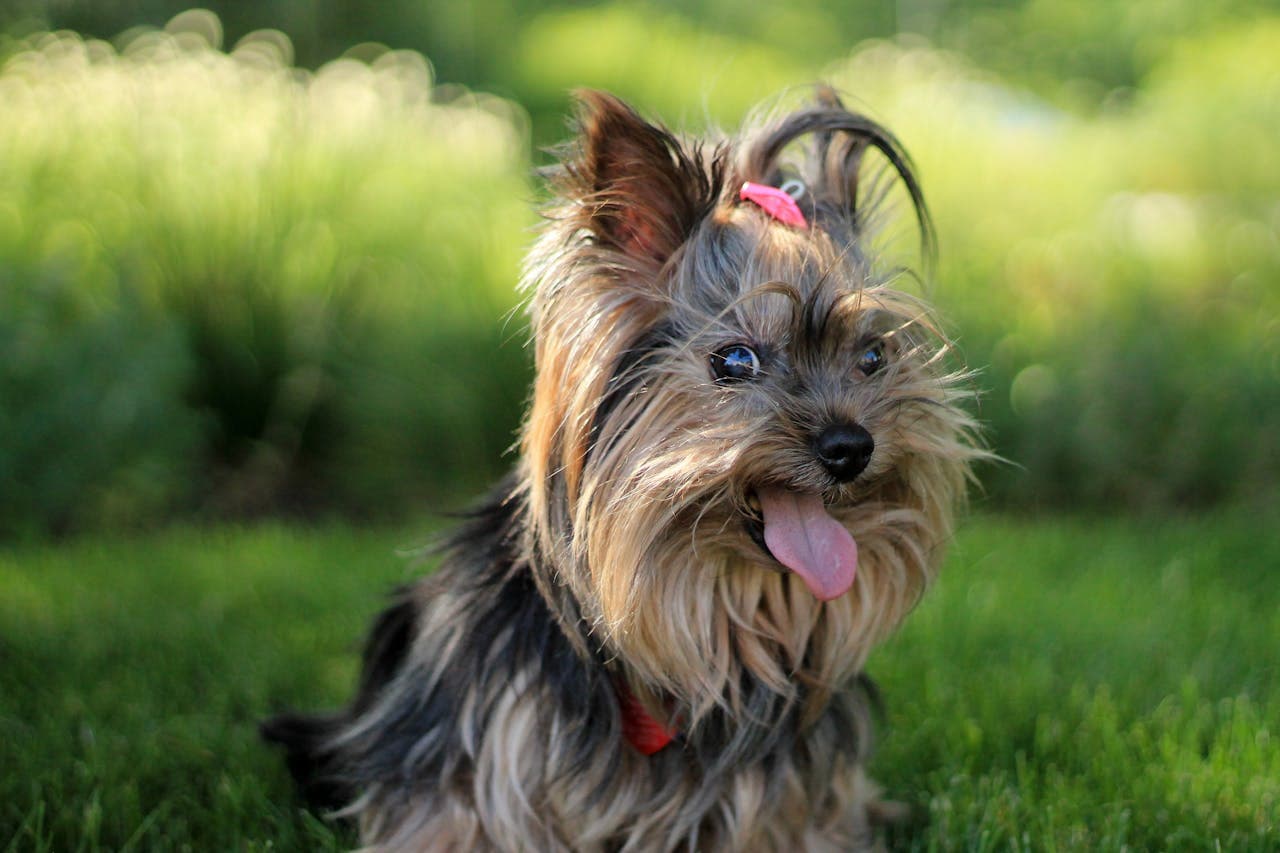
The Yorkshire Terrier is a small but spirited toy breed known for its luxurious silky coat, confident attitude, and strong attachment to its family. Developed in the county of Yorkshire in northern England, these compact terriers were originally bred to hunt rats in textile mills and mines. Over time, their elegance and charm made them highly fashionable companions, especially in city settings.
According to the American Kennel Club (AKC), Yorkshire Terriers consistently rank among the most popular toy breeds. Their appeal lies in their portable size, affectionate nature, and lively personality. When properly socialized and trained, Yorkies can be devoted family companions who enjoy both snuggling on the couch and joining their owners on everyday adventures. Their low-shedding, hair-like coat also makes them attractive to people who prefer less loose fur in the home—though grooming needs are significant.
Breed History & Origin
The Yorkshire Terrier was developed in the 19th century in the industrial regions of Yorkshire and Lancashire, England. Scottish weavers and workers who migrated south brought small terrier-type dogs with them, which were crossed with local terriers to create an efficient, compact ratter. These early Yorkies worked in textile mills, factories, and mines, keeping rodent populations under control.
As the breed became more refined, their striking blue-and-tan coats and confident demeanor caught the eye of wealthier owners. Yorkshire Terriers transitioned from working-class ratters to fashionable lapdogs and show dogs. The AKC recognized the breed in the late 19th century, and the Yorkshire Terrier Club of America (YTCA) now serves as the parent club in the United States. Today, Yorkies are primarily beloved companions and popular city dogs, though many still display the determined, terrier spirit of their ancestors.
Physical Characteristics & Breed Standards
Yorkshire Terriers are small, fine-boned toy dogs with a compact, well-balanced body. According to the AKC breed standard, Yorkies should be well proportioned with a level topline, straight legs, and a confident carriage. Their most distinctive feature is their long, straight, glossy coat, which falls evenly on either side of the body and is parted from nose to tail. Despite their tiny size, they should appear sturdy rather than fragile or overly delicate.
| Characteristic | Male | Female |
|---|---|---|
| Height | 7–8 inches | 7–8 inches |
| Weight | Up to 7 pounds | Up to 7 pounds |
| Lifespan | 11–15 years (sometimes longer with excellent care) | |
| Coat Type | Long, straight, fine, silky single coat; hair-like rather than woolly | |
| Common Colors | Blue and tan; puppies are typically black and tan and lighten as they mature | |
Key Physical Features: Yorkshire Terriers have a small, flat skull with a moderately short muzzle and a well-defined stop. Their eyes are medium-sized, dark, and expressive, giving an alert, intelligent look. Ears are small, V-shaped, and carried erect when trimmed correctly. The coat is parted down the middle of the back and, when kept long, falls straight and evenly on either side of the body. In many companion homes, Yorkies wear a shorter “puppy cut” for easier maintenance. Tails are carried slightly higher than the level of the back and may be docked where legal or left natural.
Temperament & Personality
Yorkshire Terriers have the heart of a much larger dog. They are typically confident, curious, and bold, often willing to take on challenges that far exceed their size. Many Yorkies form very close bonds with their primary caregiver and enjoy being involved in everything their people do. They are playful and lively indoors, yet also enjoy curling up in a lap at the end of the day.
Yorkies can be wary of strangers and may be vocal when they hear unfamiliar noises, making them alert little watchdogs. Early, positive socialization is important to keep their boldness from tipping into excessive barking, anxiety, or snappiness. Gentle handling is essential, especially in homes with children, because their small size makes them vulnerable to accidental injury.
Like many intelligent toy breeds, Yorkshire Terriers can be a bit stubborn, particularly when it comes to house training and recall. Consistent routines, patient training, and plenty of rewards help channel their terrier determination into good manners. They thrive when treated as full family members rather than being left alone for long stretches every day.
Exercise Requirements by Life Stage
Although Yorkshire Terriers are small, they are not couch potatoes. They need daily physical activity and mental engagement to stay fit and well-behaved. Their exercise needs are lighter than those of large working breeds but still significant for a toy dog. Care should be taken not to over-exercise puppies or fragile individuals, especially on hot days or rough terrain.
| Life Stage | Daily Exercise | Recommended Activities |
|---|---|---|
| Puppies (8 weeks - 12 months) | 5 minutes per month of age, 2x daily (on soft, safe surfaces) | Short walks, gentle indoor play, basic obedience, socialization with careful supervision |
| Adults (1-7 years) | 30–60 minutes total, split into several short sessions | Leashed walks, indoor and outdoor play, fetch with small toys, light agility, trick training |
| Seniors (7+ years) | 20–40 minutes, adjusted for health and comfort | Gentle walks, indoor games, low-impact balance or scent games, short training sessions |
Mental Exercise: Yorkies are clever and curious, so mental activity is just as important as physical exercise. Puzzle toys, enrichment feeders, trick training, nosework, and learning new cues help keep their minds engaged. Short, fun training sessions throughout the day can prevent boredom, reduce nuisance barking, and build a stronger bond between dog and owner.
Grooming & Maintenance Schedule
Yorkshire Terriers have a long, silky coat that grows continuously and is more like human hair than typical dog fur. While they shed very little, their coat requires consistent grooming to prevent tangles, mats, and skin irritation. Owners can choose to maintain a full-length show coat, which demands daily care, or keep their Yorkie in a shorter “puppy cut” for easier maintenance. Regular grooming also helps monitor the skin, ears, and overall body condition.
| Grooming Task | Frequency | Tools/Notes |
|---|---|---|
| Brushing (long or medium coat) | Daily or at least 4–5 times per week | Pin brush, comb, detangling spray; focus on behind ears, armpits, legs, and under harness |
| Professional grooming / trimming | Every 4–8 weeks | Full-body trim or puppy cut, sanitary trim, paw/face shaping, and coat maintenance |
| Bathing | Every 2–4 weeks or as needed | Gentle, dog-specific shampoo and conditioner; dry thoroughly to avoid chills and skin problems |
| Nail trimming | Every 2–3 weeks | Trim or grind; small dogs often need very regular nail care since their nails don't wear down easily |
| Ear cleaning & hair management | Weekly check; clean and pluck/trim hair as recommended | Veterinary ear cleaner, cotton balls; monitor for redness, odor, or excessive wax |
| Dental care | Daily (ideal) or at least 3–4x per week | Dog toothbrush and toothpaste; routine professional cleanings are especially important for toy breeds |
Nutrition & Feeding Guidelines
Proper nutrition is vital for Yorkshire Terriers to maintain a healthy weight, support their long lifespan, and prevent issues such as hypoglycemia (low blood sugar) and dental disease. As a toy breed, Yorkies do best on high-quality diets formulated for small dogs, with appropriately sized kibble or carefully balanced fresh or wet food. Their food should provide adequate protein and fat without excessive calories that could lead to obesity.
| Life Stage | Protein | Fat | Daily Amount (Dry Food) | Meals/Day |
|---|---|---|---|---|
| Puppies (2–12 months) | 22–28% | 12–18% | Varies by age/weight; often ~¼–¾ cup total per day, divided into several meals | 3–4 (small, frequent meals help prevent hypoglycemia) |
| Adults (moderately active) | 20–26% | 10–16% | ~¼–½ cup total per day, adjusted for size and activity level | 2 (or 3 smaller meals for sensitive dogs) |
| Adults (highly active) | 24–30% | 14–20% | ~½–¾ cup, adjusted to maintain a lean body condition | 2–3 |
| Seniors (7+ years) | 18–24% | 8–14% | ~¼–½ cup, tailored to activity level, dental health, and metabolism | 2 (smaller, easily chewed meals if dental issues are present) |
Essential Nutritional Considerations: Look for formulas that list high-quality animal proteins (such as chicken, turkey, lamb, or fish) as the first ingredient. Omega-3 and Omega-6 fatty acids support skin and coat health, while appropriate fiber levels help maintain good digestion. Because Yorkshire Terriers are prone to dental disease, diets that support dental health—combined with daily brushing—are especially important. Consult your veterinarian about the best diet and portion sizes for your individual dog, particularly if you suspect food sensitivities or digestive issues.
Blood Sugar & Meal Timing: Young Yorkie puppies and very small adults can be at risk for hypoglycemia, especially if they miss meals or burn a lot of energy at once. Regular meal schedules, small frequent meals for puppies, and monitoring for signs of weakness, trembling, or confusion are important. Always seek veterinary care if you suspect low blood sugar or other sudden changes in your dog's behavior.
Health Considerations & Genetic Screening
Yorkshire Terriers are generally long-lived dogs, but like all purebred breeds, they are predisposed to certain inherited and breed-related health conditions. Responsible breeders use health testing and thoughtful pairing to reduce the risk of these issues. Prospective owners should be familiar with common Yorkie health concerns and ask breeders for documentation of appropriate health clearances, along with a strong focus on sound temperament.
Common Health Conditions
| Condition | Prevalence | Description |
|---|---|---|
| Luxating Patella (Loose Kneecaps) | Common toy-breed concern | Kneecaps slip out of place, causing intermittent lameness or skipping; can lead to arthritis in severe cases |
| Dental Disease | Very common in small breeds | Crowded teeth and tartar buildup can cause gum disease, bad breath, tooth loss, and systemic health problems |
| Portosystemic Shunt (Liver Shunt) | Recognized breed risk | Abnormal blood vessel reduces liver blood flow, leading to neurologic signs, poor growth, and digestive issues |
| Collapsing Trachea | Common in toy breeds | Weakening of the tracheal rings causes coughing (often "goose honk") and breathing difficulties, worsened by pulling on collars |
| Legg-Calvé-Perthes Disease | Noted in the breed | Degeneration of the femoral head in the hip joint, causing pain, lameness, and muscle loss; often requires surgical treatment |
| Hypoglycemia (Low Blood Sugar) in Puppies | Important toy-breed concern | Can cause weakness, trembling, and collapse in young or very small dogs; prevented with regular feeding and monitoring |
Recommended Health Screenings
The AKC and Yorkshire Terrier Club of America (YTCA) recommend a combination of orthopedic, eye, and general veterinary evaluations for breeding dogs. Always request copies of official health clearances when purchasing a puppy from a breeder:
| Screening Test | Testing Authority | Purpose |
|---|---|---|
| Patella (Kneecap) Evaluation | OFA or equivalent | Screen for luxating patella and grade severity of kneecap instability |
| Ophthalmologist Evaluation | ACVO/OFA Eye Certification | Screen for hereditary eye diseases, including cataracts and retinal issues |
| Liver Function Testing (e.g., Bile Acids) | Veterinary clinical laboratory | Screen for portosystemic shunt and other liver function abnormalities |
| Orthopedic Evaluation for Legg-Calvé-Perthes | OFA or board-certified radiologist | Assess hip joint development in breeding dogs and identify orthopedic disease |
| Cardiac Evaluation (where recommended) | OFA or veterinary cardiologist | Screen for congenital or acquired heart disease before breeding |
Training & Socialization
Yorkshire Terriers are bright, observant, and quick to learn—especially when training is fun and reward-based. At the same time, they can be independent and a bit stubborn, so consistency and patience are key. Yorkies do well in basic obedience and can excel in dog sports like agility and rally, despite their small size.
Early Socialization: Begin socialization as early as possible, ideally between 3–14 weeks of age. Gently expose your Yorkie puppy to a variety of people, dogs, sounds, and environments in a positive, controlled manner. Teach them that handling, grooming, and vet visits are safe and rewarding. This helps prevent fear-based behaviors, reduces the risk of snappiness, and supports a confident adult temperament.
Training Approach: Positive reinforcement—using tiny treats, praise, and play—works best for Yorkies. Harsh corrections can damage trust and may provoke defensive behavior. House training often takes extra time with toy breeds because of their small bladders, so frequent potty breaks, consistent schedules, and management (such as litter boxes or indoor potty pads where appropriate) can help. Be proactive about teaching quiet cues and calm behavior to manage barking.
Recommended Training Programs: Puppy socialization classes, AKC S.T.A.R. Puppy, and Canine Good Citizen (CGC) can provide valuable structure and guidance. Many Yorkies enjoy small-breed agility, trick training, rally, and therapy dog work. These activities give them an outlet for their intelligence and energy and strengthen the human–dog bond.
Roles & Capabilities
While Yorkshire Terriers no longer commonly work as ratters in mills, they still retain the curiosity, determination, and agility that made them effective working dogs. Today, Yorkies shine in a variety of modern roles:
- Companion Dogs: Yorkies are primarily cherished for their companionship, forming strong emotional bonds with their families and often preferring to be near their people at all times.
- Watchdogs: Despite their size, many Yorkies make alert little watchdogs who will quickly sound the alarm at unusual sounds or visitors.
- Dog Sports: Yorkshire Terriers can be energetic and agile, and some excel in sports such as agility, rally, and obedience, where speed and responsiveness are rewarded.
- Therapy Dogs: Their small size and affectionate nature can make them excellent therapy dogs in settings like hospitals, nursing homes, and schools, provided they have a calm, stable temperament.
- Travel Companions: Yorkies are well-suited to travel and city living when properly socialized, often adapting well to life in apartments and going along on errands or trips.
Frequently Asked Questions
Are Yorkshire Terriers good family dogs?
Yes, Yorkshire Terriers can make wonderful family companions, especially for households that understand how to safely handle small dogs. They tend to bond closely with their people and enjoy interactive play and affection. Because of their tiny size and delicate bones, they may be better suited to families with older, dog-savvy children who can be gentle and respectful. As with any breed, supervision around children is important.
How much does a Yorkshire Terrier puppy cost?
Prices vary by region, pedigree, and breeder practices. From reputable breeders who focus on health testing, temperament, and proper socialization, Yorkshire Terrier puppies often range from around $1,500–$3,000 or more. Puppies from champion show or performance lines may be higher. Be cautious of unusually low prices, which can indicate poor breeding practices, lack of health screening, or puppy mills. Always prioritize responsible breeders or consider breed rescue organizations.
Do Yorkshire Terriers shed a lot?
Yorkshire Terriers are considered low shedders. Their hair-like coat sheds much less than many double-coated breeds, which can mean less loose fur around the house. However, this does not mean they are low maintenance—quite the opposite. Regular brushing, bathing, and grooming are essential to keep their long coat free of tangles and mats. People with dog allergies may still react to Yorkies, so spend time with the breed before assuming they are hypoallergenic.
Are Yorkshire Terriers aggressive?
Yorkshire Terriers are not inherently aggressive, but they are bold and can be protective of their families. Poor socialization, rough handling, fear, or pain can lead to defensive behaviors like growling or snapping—especially in such a small dog. Early positive experiences, respectful handling, and consistent training help prevent behavior problems. It’s important not to encourage “small dog syndrome” by allowing behaviors that would be unacceptable in a larger breed (such as snapping or lunging) simply because the dog is tiny.
Can Yorkshire Terriers live in apartments?
Yes, Yorkshire Terriers are well-suited to apartment and city living. Their small size and modest exercise needs make them adaptable to smaller spaces, as long as they receive daily walks, playtime, and mental stimulation. One key consideration is barking—Yorkies may be quite vocal, so proactive training and enrichment are important to avoid disturbing neighbors. Regular potty breaks and a steady routine are also crucial for successful house training in an apartment setting.
What is the difference between standard and "teacup" Yorkshire Terriers?
The AKC breed standard for Yorkshire Terriers specifies a weight of up to 7 pounds. Extremely tiny dogs marketed as "teacup" or "micro" Yorkies are not a separate recognized variety and may be the result of breeding very small or undersized dogs. While their size may seem appealing, these dogs can have a higher risk of health issues such as hypoglycemia, fragile bones, and organ problems. Most breed clubs and veterinary professionals discourage seeking "teacup" Yorkies; instead, look for a healthy dog within the normal weight range from a responsible breeder or rescue.
Is a Yorkshire Terrier Right for You?
Yorkshire Terriers are best suited for:
- People who want a small, portable companion that enjoys close contact
- Owners willing to commit to regular grooming or professional salon visits
- Households that can provide daily walks, playtime, and mental enrichment
- Families with older, gentle children or adults who understand how to handle small dogs safely
- Apartment or city dwellers prepared to manage barking through training and enrichment
- Owners able to spend plenty of time with their dog rather than leaving them alone all day
- People who appreciate an intelligent, expressive dog with a big personality in a small body
Yorkshire Terriers may not be ideal for families with very young, boisterous children, people seeking a very low-maintenance dog, or owners who are away from home for long hours with limited time for interaction. Without appropriate training, companionship, and grooming, a Yorkie's vocal nature, big personality, and coat care needs can become challenging to manage.
References & Resources
- 1. American Kennel Club (AKC). "Yorkshire Terrier Breed Standard." akc.org
- 2. Yorkshire Terrier Club of America (YTCA). "Health & Breeder Information."
- 3. Orthopedic Foundation for Animals (OFA). "Breed Statistics for Yorkshire Terriers."
- 4. Various veterinary resources on toy-breed nutrition, hypoglycemia, and dental care.
- 5. Veterinary behavior and training references on socialization and small-breed house training.
- 6. Clinical veterinary texts discussing portosystemic shunts and tracheal collapse in toy dogs.
- 7. YTCA and AKC materials on responsible breeding practices and recommended health testing.